
As the aroma of baked eggs wafts through my kitchen, I’m reminded of cozy Sunday mornings spent savoring a leisurely brunch. French Baked Eggs, or oeufs cocotte, are not only a feast for the eyes but also a glorious way to start your day. This elegant dish calls for just a few simple ingredients and is ready in only 20 minutes, making it the perfect choice for those busy yet indulgent weekends. Plus, you can customize it with your favorite cheese and herbs, turning a classic into your own signature creation. Whether you’re hosting friends or treating yourself to a solo brunch, these creamy baked eggs are a guaranteed crowd-pleaser. Are you ready to discover just how easy it is to impress your taste buds?
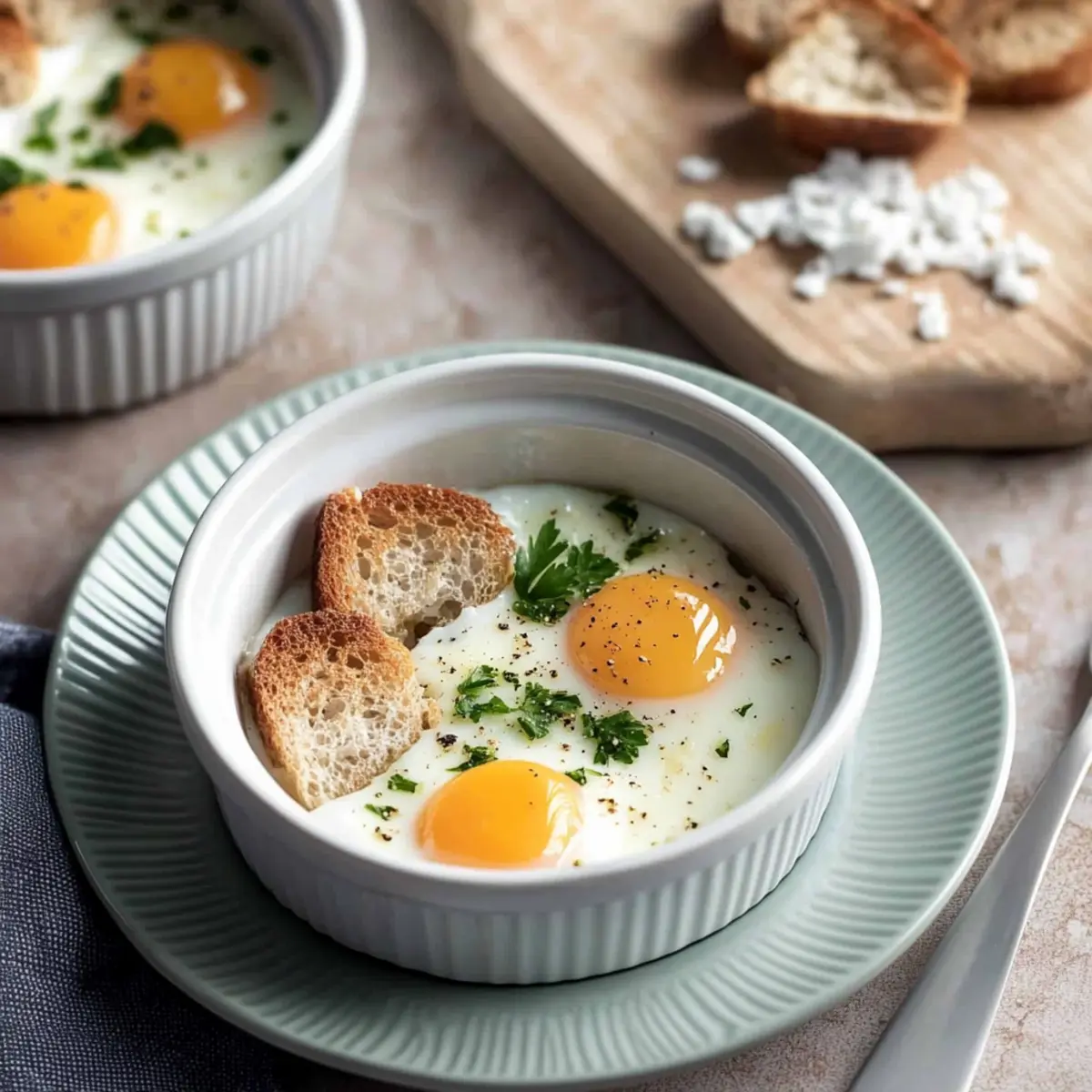
Why Are French Baked Eggs Irresistible?
Simplicity: This recipe requires minimal effort and ingredients, making it perfect for even beginner cooks.
Customizable: With endless options for veggies and cheeses, you can create a unique brunch every time!
Elegance: The presentation of these baked eggs elevates any meal, making it feel special without much fuss.
Quick Prep: Ready in just 20 minutes, they fit seamlessly into your busy weekends or impromptu gatherings.
Crowd-Pleaser: Whether you’re serving friends or just craving comfort food, these French baked eggs will leave everyone wanting more! For more delicious brunch ideas, don’t miss out on my Pumpkin French Toast or Baked Beef Tacos.
French Baked Eggs Ingredients
• Here’s everything you need to create your delightful French Baked Eggs!
For the Base
- Butter – Used for greasing ramekins and adding richness; substitute with olive oil for a dairy-free option.
- Crème Fraîche / Heavy Cream / Yogurt – This creamy base enhances the richness of the baked eggs; feel free to mix and match or use dairy-free yogurt as a substitute.
- Large Eggs – The star of the dish; essential for that creamy, baked texture—no substitutions recommended!
For the Toppings
- Fresh Goat Cheese – Adds tang and creaminess; swap for feta or any cheese you prefer for different flavors.
- Chives and Parsley – Provide freshness and vibrant flavor; you can mix and match with other herbs like thyme, dill, or basil.
- Sea Salt and Black Pepper – Essential for seasoning; adjust quantities to your taste for the perfect balance.
Optional Add-Ins
- Vegetables (e.g., spinach, mushrooms) – Add these for an extra nutritious twist; they enhance flavor while keeping the dish hearty!
- Additional Cheese (e.g., Gruyère, Cheddar) – Drizzle on for a richer, creamier experience that elevates your French Baked Eggs!
With these ingredients at hand, you’re just moments away from enjoying a delectable brunch that not only satisfies but also feeds your culinary creativity!
Step‑by‑Step Instructions for French Baked Eggs
Step 1: Preheat and Prepare
Begin by preheating your oven to 350°F (175°C) while you boil water in a kettle. This will serve as your water bath for the ramekins. Gather four 4-5 ounce ramekins and place them on a baking dish, ensuring they are ready to be filled with delicious ingredients for your French baked eggs.
Step 2: Grease the Ramekins
Use softened butter to generously grease the insides of each ramekin, ensuring an even coat to prevent sticking. This step is crucial for the creamy texture of your French baked eggs. Feel free to use olive oil if you prefer a dairy-free option, making your dish suitable for various dietary needs.
Step 3: Add the Creamy Base
Spoon a dollop of crème fraîche, heavy cream, or yogurt into the bottom of each greased ramekin, about a tablespoon each. This layer not only adds richness but also acts as a luscious bed for the eggs. As you layer, notice the creamy consistency for future enjoyment—this is where the magic begins!
Step 4: Crack the Eggs
Gently crack a large egg into each ramekin, taking care to keep the yolk intact. This part of your French baked eggs recipe creates a beautiful presentation, allowing the vibrant yellow yolk to shine. The excitement builds as you prepare for the next layers of deliciousness!
Step 5: Season and Add Toppings
Sprinkle crumbled fresh goat cheese generously over the eggs, followed by a mix of finely chopped chives and parsley. Season each ramekin with a pinch of sea salt and black pepper according to your taste. Walk down the flavor lane with the aroma filling your kitchen as you prepare these delightful baked eggs.
Step 6: Create a Water Bath
Place the filled ramekins carefully in the baking dish and pour hot water into the dish until it reaches halfway up the sides of the ramekins. This water bath ensures even cooking, resulting in creamy, delicate French baked eggs. Keep your eye on the oven as you get ready for the next step!
Step 7: Bake to Perfect Doneness
Slide the baking dish into the oven and bake for 14-18 minutes. Peek into the oven to check for doneness; you’re looking for softly set whites and your desired yolk texture, whether runny or firmer. The anticipation grows as the aroma envelops your space—these French baked eggs will soon be irresistible!
Step 8: Serve and Enjoy
Once baked to perfection, carefully remove the ramekins from the oven using oven mitts. Serve your French baked eggs immediately, paired with toasted bread for easy dipping. Savor every bite of this creamy, elegant dish, perfect for brunch or an indulgent breakfast!
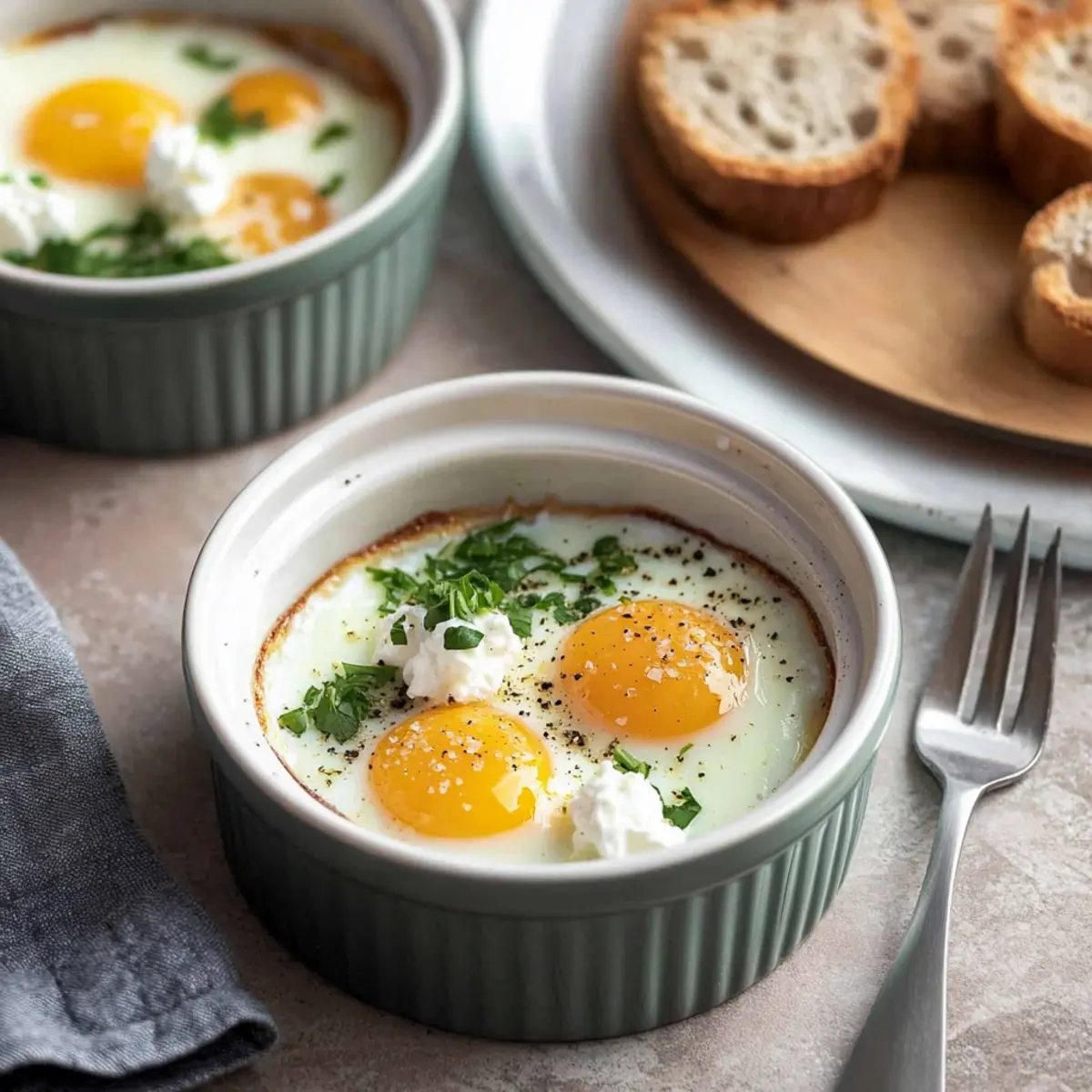
What to Serve with French Baked Eggs?
Elevate your brunch experience with delightful side dishes that beautifully complement the creamy, rich flavors of your French baked eggs.
- Toasted Baguette: Start with slices of warm, crusty baguette for dipping. The crunch contrasts perfectly with the silky eggs.
- Fresh Arugula Salad: A bright, peppery salad adds a refreshing note. Drizzle with lemon vinaigrette for a zesty bite.
- Roasted Cherry Tomatoes: Sweet, caramelized tomatoes bring a burst of flavor, balancing the richness of the baked eggs.
- Herbed Quinoa: A light and nutritious grain, it absorbs flavors and adds a nutty texture that pairs wonderfully with the dish.
- Sautéed Spinach: Simple yet nutritious, sautéed spinach adds vibrant color and health, enhancing the overall meal in both taste and presentation.
- Creamy Avocado Toast: The smooth texture and healthy fats of avocado toast create a delightful complementary element to your eggs.
- Sparkling Water with Lemon: Refreshing and light, sparkling water offers a palate cleanser to keep your brunch feeling bright and lively.
Expert Tips for French Baked Eggs
-
Check Water Level: Ensure the water bath doesn’t evaporate during baking; this is crucial for even cooking.
-
Adjust Baking Time: Tailor the baking duration to your desired yolk texture—longer for firmer, shorter for runnier yolks.
-
Use Fresh Ingredients: Fresh herbs and quality cheese greatly enhance the flavor of your French baked eggs; don’t skimp on these!
-
Experiment Wisely: When adding vegetables, avoid watery ones like tomatoes; they can make the dish soggy.
-
Preheat Properly: Make sure your oven reaches the correct temperature before baking for the best results in texture.
Make Ahead Options
These French Baked Eggs are a fantastic choice for busy home cooks looking to prep meals in advance! You can assemble the ramekins up to 24 hours ahead; simply follow the recipe steps until adding the eggs. After adding the creamy base, cover the ramekins tightly with plastic wrap and refrigerate. This ensures the ingredients stay fresh and prevents any browning. When you’re ready to bake, just uncover the ramekins, pour in the eggs, and follow the original baking instructions. They will come out just as creamy and delicious, making your brunch feel effortless and elegant, even on your busiest mornings!
How to Store and Freeze French Baked Eggs
-
Fridge: Store any leftover French baked eggs in an airtight container in the refrigerator for up to 3 days. Reheat gently in the oven or microwave, adding a splash of cream to restore creaminess.
-
Freezer: While it’s best to enjoy baked eggs fresh, you can freeze them before baking. Place the assembled but unbaked ramekins in the freezer for up to 1 month. When ready to enjoy, bake directly from frozen, adding an extra few minutes to the cooking time.
-
Reheating: If reheating baked eggs from the fridge, cover them with foil to retain moisture and heat in a preheated oven at 350°F (175°C) for about 10–15 minutes, or until heated through.
-
Make-Ahead: You can prepare ramekins in advance (without baking) and refrigerate them for a day before baking. Perfect for quick brunch preparations!
Variations & Substitutions for French Baked Eggs
Feel free to get creative with your French baked eggs and discover new flavor combinations that delight your palate!
-
Dairy-Free: Swap crème fraîche with coconut yogurt or cashew cream for a vegan-friendly twist. You’ll enjoy the same creamy texture without dairy.
-
Herb Variation: Experiment with other herbs like dill or tarragon for unique flavor accents. Each herb brings its own personality, giving you different taste experiences.
-
Cheese Options: Try using Gruyère, feta, or even sharp cheddar instead of goat cheese. Each cheese adds its distinct character, elevating your dish to new heights!
-
Vegetable Add-Ins: Consider adding sautéed bell peppers, sun-dried tomatoes, or zucchini for extra color and nutrition. Just make sure to cook them slightly first to remove excess moisture.
-
Spicy Kick: For a bit of heat, sprinkle some crushed red pepper flakes or sliced jalapeños over the top. This will transform your dish into a vibrant, spicy delight!
-
Meaty Touch: Add crumbled cooked sausage or bacon before baking for a hearty, meaty version. The savory notes will complement the eggs beautifully!
-
Gluten-Free Option: Serve with gluten-free bread or try swapping in a gluten-free crust if you’re feeling adventurous! This way, everyone can enjoy the creamy goodness.
-
Breakfast Bowl: Serve the baked eggs over a bed of sautéed greens or a quinoa base. This turns your delicious eggs into a complete, wholesome meal.
Don’t forget that these French baked eggs are incredibly versatile, just like my Paper Crab Rangoons or Baked Beef Tacos. Enjoy making the recipe your own while satisfying those cravings!
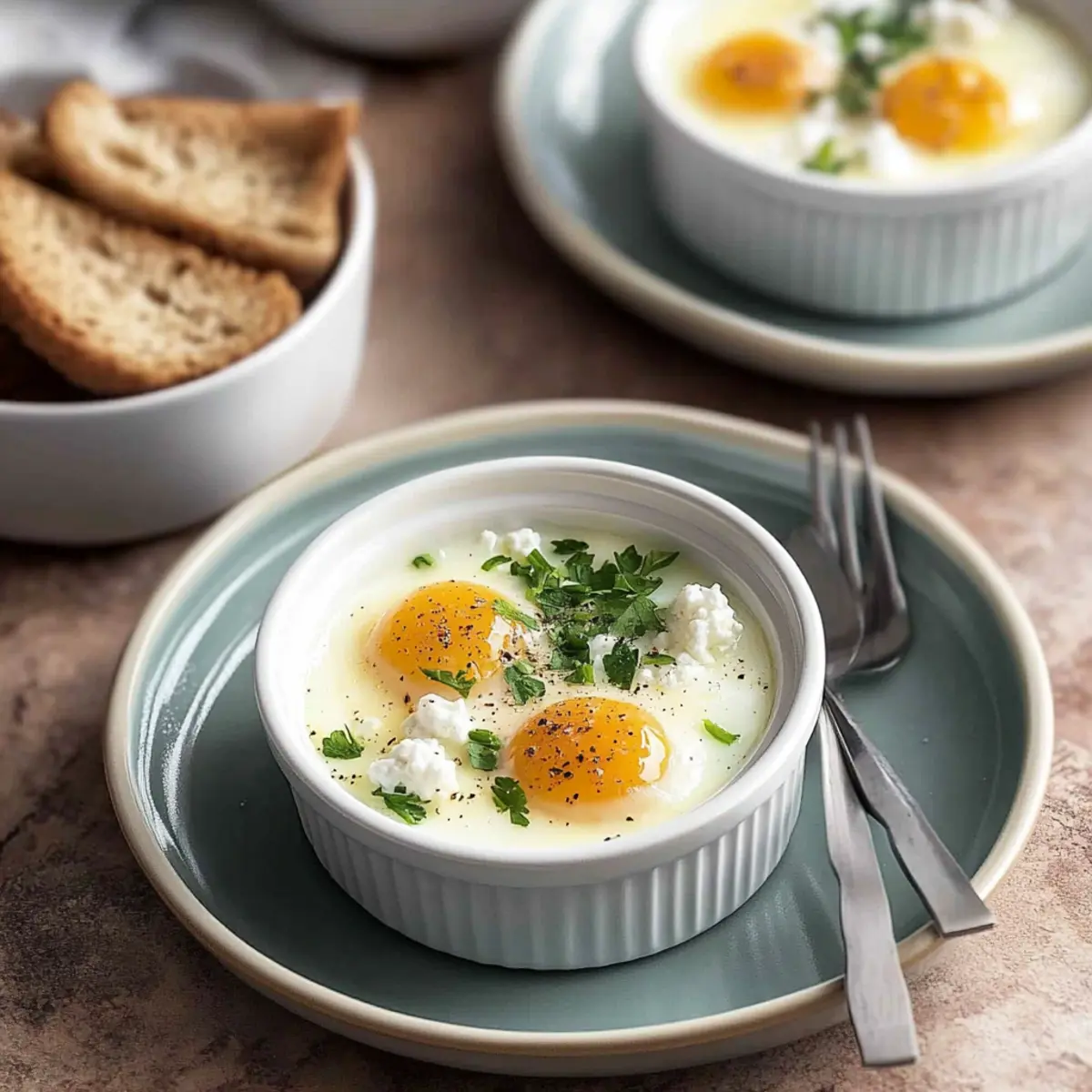
French Baked Eggs Recipe FAQs
How do I choose the right eggs for baking?
Absolutely! When selecting eggs for French baked eggs, look for large, fresh eggs with no cracks in the shells. Fresh eggs will provide the best flavor and texture. A simple freshness test is to place the egg in water; if it sinks, it’s fresh, but if it floats, it’s past its prime!
What is the best way to store leftover French baked eggs?
For any leftover French baked eggs, store them in an airtight container in the refrigerator for up to 3 days. When reheating, I recommend gently warming them in the oven at 350°F (175°C), covering with foil to keep them moist.
Can I freeze French baked eggs?
Very! While it’s best to savor them fresh, you can freeze the assembled but unbaked ramekins for up to 1 month. Wrap each ramekin tightly in plastic wrap and place in a freezer-safe bag. When you’re ready to enjoy, bake them directly from frozen, adding an extra 5-10 minutes to the cooking time.
What if my eggs overbake?
Oh no! If you find that your baked eggs have overcooked, resulting in rubbery whites or a chalky yolk, remember that practice makes perfect. Adjust the baking time in future batches: start checking the eggs a minute or two earlier. Aim for softly set whites and your desired yolk texture to avoid this in the future.
Can I use substitutes for dairy ingredients?
Absolutely! If you’re looking for dairy alternatives, you can easily swap crème fraîche or heavy cream with various dairy-free options like cashew cream or coconut yogurt. They may slightly alter the flavor, but you’ll still achieve a deliciously creamy base for your eggs!
Are there any dietary considerations I should take into account?
Absolutely! When making French baked eggs, always consider dietary restrictions. Ensure you select allergens-aware ingredients, such as gluten-free bread or dairy-free substitutes. If serving to pets, keep the eggs plain—certain seasonings and cheese can be harmful.
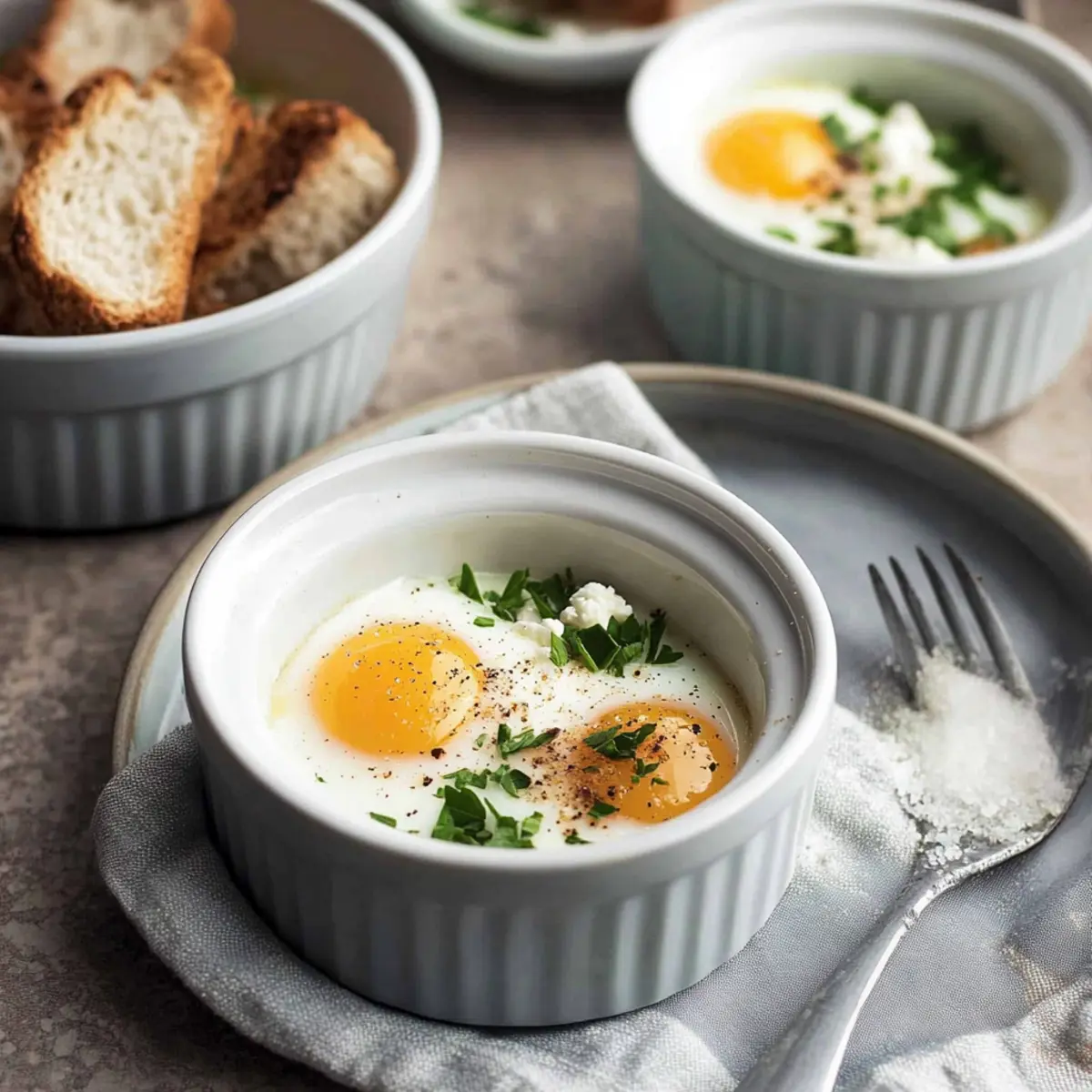
Delight in Savory French Baked Eggs - Your Easy Brunch Treat
Ingredients
Equipment
Method
- Preheat your oven to 350°F (175°C) and boil water in a kettle for the water bath.
- Grease the insides of each ramekin with softened butter.
- Spoon a dollop of crème fraîche, heavy cream, or yogurt into each ramekin.
- Gently crack a large egg into each ramekin.
- Sprinkle fresh goat cheese, chives, and parsley over the eggs, and season with salt and pepper.
- Place the ramekins in the baking dish and add hot water until halfway up the sides.
- Bake for 14-18 minutes until whites are softly set.
- Carefully remove from the oven and serve immediately with toasted bread.
Leave a Reply