
A warm ocean breeze, the sound of waves, and the scent of fresh coconut fill the air as I think about my recent culinary adventure with Portuguese Coconut Cakes, known as Bolos de Coco. These light and fluffy tropical treats not only transport you to paradise but also offer an accessible way to impress your friends and family with minimal effort. In just a few simple steps, you’ll create delightful desserts that cater to various dietary needs, from gluten-free to dairy-free options. They’re perfect for any occasion and sure to bring smiles all around. Ready to whisk up a slice of happiness and try your hand at these irresistible cakes? Let’s dive into this easy recipe together!
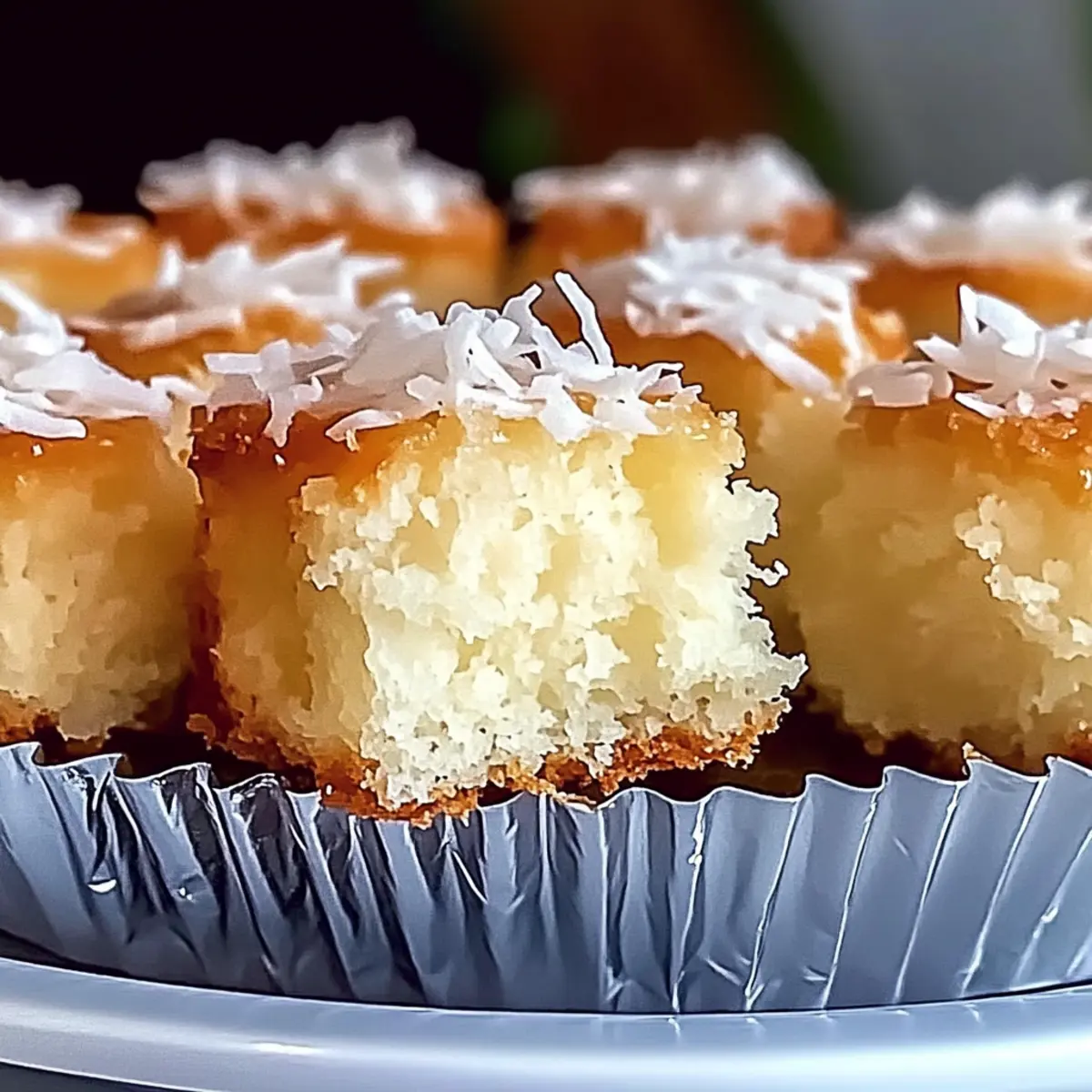
Why Are These Cakes So Irresistible?
Tropical Escape: Savor the essence of a sunny getaway with these light and fluffy Portuguese Coconut Cakes, perfect for indulging your sweet tooth without any guilt.
Endless Customization: Whether you prefer a zesty twist with citrus zest or a nutty crunch with almonds, these cakes adapt beautifully to your tastes.
Effortless Delight: Even if you’re new to baking, following this simple recipe guarantees delicious results that will impress your friends and family.
Health-Conscious Options: With variations like gluten-free or dairy-free, everyone can enjoy a slice of tropical bliss.
Perfect Pairing: Serve these delightful treats at brunch or alongside your favorite coffee or tea for a truly satisfying experience, just like you’d find with Coconut Chicken Rice.
Portuguese Coconut Cakes Ingredients
• The key to a tropical delight!
For the Batter
- Coconut Milk – Adds creaminess and a distinct coconut flavor; substitute with almond milk for a dairy-free option.
- Shredded Coconut – Provides texture and flavor; use unsweetened for a healthier cake or finer coconut for a smoother finish.
- Eggs – Acts as a binder, adding moisture and heaviness; flax eggs work well as a vegan alternative.
- Sugar – Sweetens the cakes perfectly; brown sugar can lend a wonderful hint of caramel flavor.
- Flour – Ensures the structure of the cakes; whole wheat flour can enhance the nutritional value.
- Baking Powder – Helps the cakes rise, creating that fluffy texture we love; make sure it’s fresh for the best result.
Step‑by‑Step Instructions for Portuguese Coconut Cakes
Step 1: Preheat Your Oven
Begin by preheating your oven to 350°F (175°C). While it warms up, prepare a muffin tin by placing paper liners in each cup or greasing them with a little oil or cooking spray. This ensures your Portuguese Coconut Cakes release easily once baked, making clean-up a breeze.
Step 2: Combine the Wet Ingredients
In a spacious mixing bowl, whisk together the coconut milk, shredded coconut, eggs, and sugar. Mix these ingredients well until the mixture is smooth and homogenous, showcasing that lovely coconut texture. This step should take about 2-3 minutes, ensuring every component is blended perfectly.
Step 3: Prepare the Dry Ingredients
In a separate bowl, sift the flour and baking powder together until they’re lump-free. This is crucial for achieving the light, fluffy texture of your Portuguese Coconut Cakes. Take your time with this step, as proper mixing will help create a batter that rises beautifully in the oven.
Step 4: Combine Wet and Dry Mixtures
Gradually fold this dry mixture into the wet ingredients, using a spatula to combine gently. Aim for a few visible flour flecks; overmixing could result in denser cakes. This action should feel light and airy, echoing the fluffy result you’re looking for in your Portuguese Coconut Cakes.
Step 5: Fill the Muffin Cups
Using a spoon or a cookie scoop, carefully fill each muffin cup about two-thirds full with the batter. This will give your cakes space to rise without overflowing. Look for an even distribution to ensure all your Portuguese Coconut Cakes bake uniformly and maintain that eye-catching height.
Step 6: Bake the Cakes
Place the muffin tin in the preheated oven and bake for about 25 minutes. Keep an eye on the cakes; they should turn golden brown and bounce back slightly when touched. A toothpick inserted into the center will come out clean when they’re ready, signaling a fluffy, perfectly baked treat.
Step 7: Cool Down
Once baked, remove the muffin tin from the oven and allow the cakes to cool for 5-10 minutes. This helps them firm up while still warm. Gently transfer the Portuguese Coconut Cakes to a wire rack to cool completely. This step is key to ensuring they don’t become soggy.
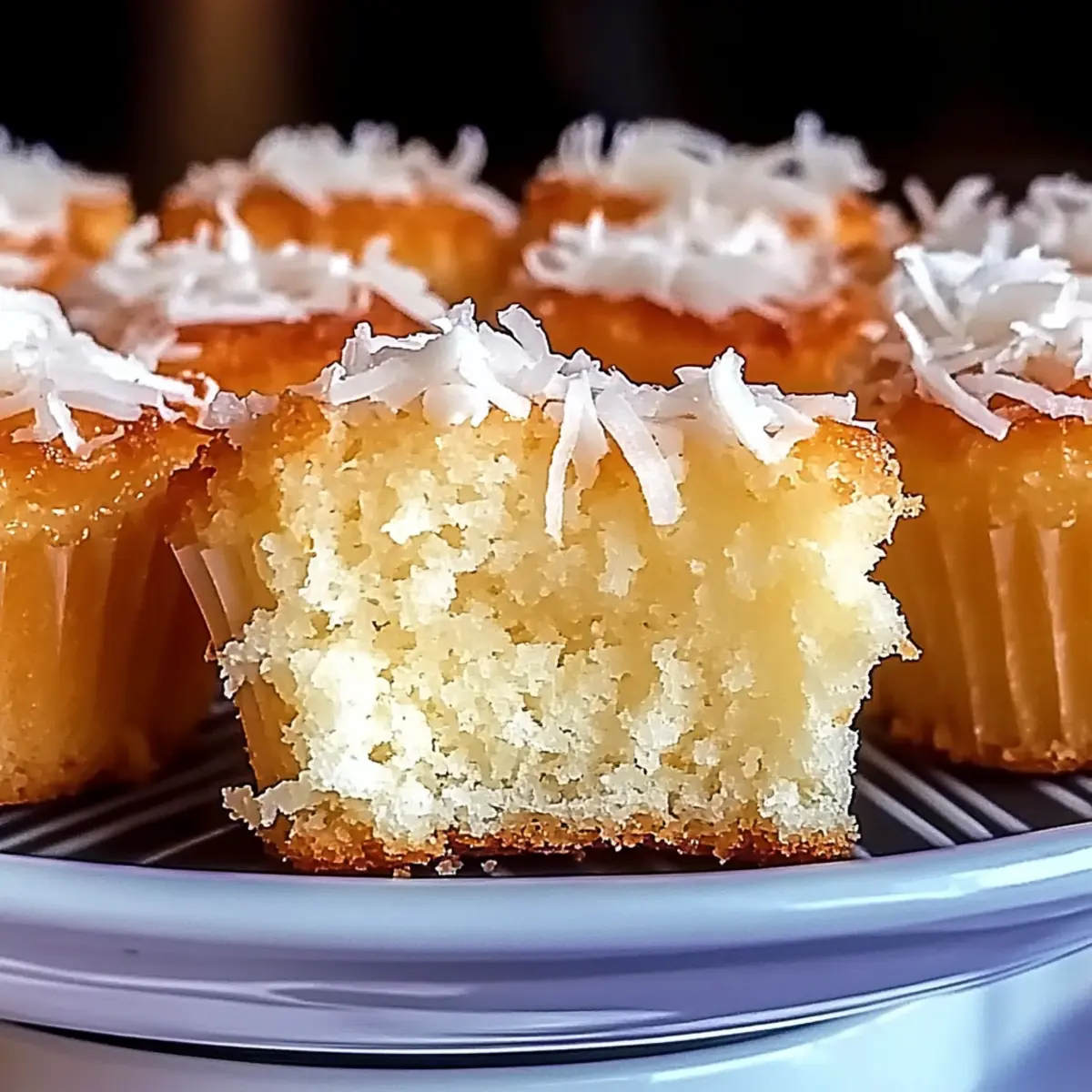
How to Store and Freeze Portuguese Coconut Cakes
Room Temperature: Store the cakes in an airtight container at room temperature for up to 3 days to keep them fresh and delightful.
Fridge: If you want them to last longer, refrigerate in an airtight container for up to a week without sacrificing flavor.
Freezer: To preserve them for up to a month, wrap each cake individually in plastic wrap before placing them in a freezer-safe bag.
Reheating: When ready to enjoy, simply thaw the cakes in the fridge overnight, and warm them in the microwave for a few seconds for that fresh-from-the-oven taste.
Make Ahead Options
These Portuguese Coconut Cakes are perfect for meal prep enthusiasts! You can prepare the batter up to 24 hours in advance by mixing together the wet ingredients and the dry ingredients separately, then storing them in the refrigerator (make sure to cover the bowls tightly to maintain freshness). When you’re ready to bake, simply fold the dry mixture into the wet ingredients, fill your muffin tin, and bake as directed. Keeping the batter refrigerated helps prevent browning and maintains the light texture you love. For the best results, bake the cakes the day you plan to serve them for that fresh-out-of-the-oven taste everyone will adore!
What to Serve with Tropical Portuguese Coconut Cakes?
Indulge in a full-flavored feast by pairing these light, fluffy cakes with delightful accompaniments that deepen your tropical experience.
- Fresh Fruit Salad: A vibrant mix of berries, mangoes, and pineapple brings a refreshing twist that complements the coconut’s sweetness.
- Coconut Cream: A dollop of rich coconut cream enhances the tropical vibe and adds decadence to each bite.
- Chocolate Dipping Sauce: For a playful dessert, serve the cakes with warm chocolate sauce for dipping, introducing a rich contrast.
- Herbal Tea: A soothing cup of jasmine or mint tea offers a fragrant touch that balances the sweetness of the cakes beautifully.
- Pineapple Upside-Down Cake: Continuing the tropical theme, this moist dessert adds texture and another layer of flavor to your meal.
- Mango Sorbet: A chilled, sweet treat that cleanses the palate while echoing the coconut’s exotic essence.
Add a dash of adventure to your dessert table, creating a memorable experience for friends and family!
Portuguese Coconut Cakes Variations
Feel free to personalize these delightful cakes and make them your own; the possibilities are as endless as a sandy beach!
- Dairy-Free: Substitute coconut milk with almond or oat milk for a lighter version that still packs the tropics in flavor.
- Zesty Kick: Mix in fresh lemon or orange zest to brighten up your cakes with a cheerful citrus twist.
Imagine enjoying a bite with a refreshingly zesty note that wakes up your palate!
- Nutty Crunch: Add chopped almonds or walnuts for added texture and a delightful nutty flavor that enhances each mouthful.
- Chocolate Delight: Incorporate semi-sweet chocolate chips into the batter for a surprising sweet twist that no one can resist.
Who can say no to a chocolatey surprise nestled within fluffy coconut goodness?
- Gluten-Free: Use a gluten-free flour blend to cater to gluten sensitivities without sacrificing the fluffy texture of these cakes.
- Coconut Syrup: Drizzle warm coconut syrup over your cooled cakes for an extra layer of sweetness that takes them to the next level.
- Spiced Up: Add a pinch of cinnamon or nutmeg for warm flavors that create a cozy, comforting dessert.
- Fruit-Topped: Finish with fresh mango or pineapple slices for a refreshing, vibrant garnish that brightens each bite!
Feel inspired to create? You might also enjoy a slice of Ginger Honey Cakes for a unique dessert experience or savor some Espresso Cupcakes Espresso alongside your cakes for that perfect coffee pairing!
Expert Tips for Portuguese Coconut Cakes
-
Room Temperature Ingredients: Ensure ingredients like eggs and coconut milk are at room temperature to promote even blending and a smoother batter.
-
Avoid Overmixing: Gently fold the dry ingredients into the wet mixture; a few lumps are fine. This avoids dense Portuguese Coconut Cakes.
-
Fresh Baking Powder: Always check the freshness of your baking powder. Stale powder can prevent proper rising, resulting in flat cakes.
-
Consistent Oven Temperature: Refrain from opening the oven door during baking to maintain a steady temperature, ensuring uniform fluffiness in your cakes.
-
Cooling Tips: Allow cakes to cool slightly before transferring them to a wire rack to prevent them from becoming soggy.
Portuguese Coconut Cakes Recipe FAQs
What is the best way to select ripe coconuts for my cake?
Absolutely! When selecting coconuts, look for ones that feel heavy for their size and have a clean, intact shell. The husk should be brown and free from dark spots. Give it a shake; you should hear and feel the water inside. This ensures the coconut is fresh and flavorful for your Portuguese Coconut Cakes.
How should I store Portuguese Coconut Cakes for optimal freshness?
To keep your delicious cakes fresh, store them in an airtight container at room temperature for up to 3 days. If you want them to last longer, refrigerate them for up to a week. Just make sure they’re well sealed to maintain their soft texture!
Can I freeze Portuguese Coconut Cakes, and how should I do it?
Yes, you can absolutely freeze these treats! Wrap each cooled cake individually in plastic wrap, then place them in a freezer-safe bag or container. They can be stored in the freezer for up to a month. When you’re ready to enjoy them, simply thaw them in the refrigerator overnight and warm them briefly in the microwave to bring back their delightful fluffiness.
What should I do if my cakes don’t rise properly?
If your Portuguese Coconut Cakes are flat, the culprit might be stale baking powder! Always check that your baking powder is fresh before using it, as this is crucial for achieving fluffiness. Also, avoid overmixing the batter after combining the wet and dry ingredients, as this can lead to dense cakes. If you notice your batter is too thick, adding a bit more coconut milk can help.
Are there any dietary considerations I should keep in mind?
Absolutely! These Portuguese Coconut Cakes can be made gluten-free by using a gluten-free flour blend. For dairy-free options, substitute coconut milk with almond or oat milk. Additionally, if you’re baking for someone with egg allergies, flax eggs are a great alternative that will still bind your ingredients nicely.
How can I enhance the flavors of my Portuguese Coconut Cakes?
The more the merrier! For an extra burst of flavor, consider adding a teaspoon of lemon or orange zest to the batter. You can also incorporate chocolate chips or chopped nuts for delightful texture. A drizzle of warm coconut syrup after baking adds a sweet finish that’s simply irresistible!
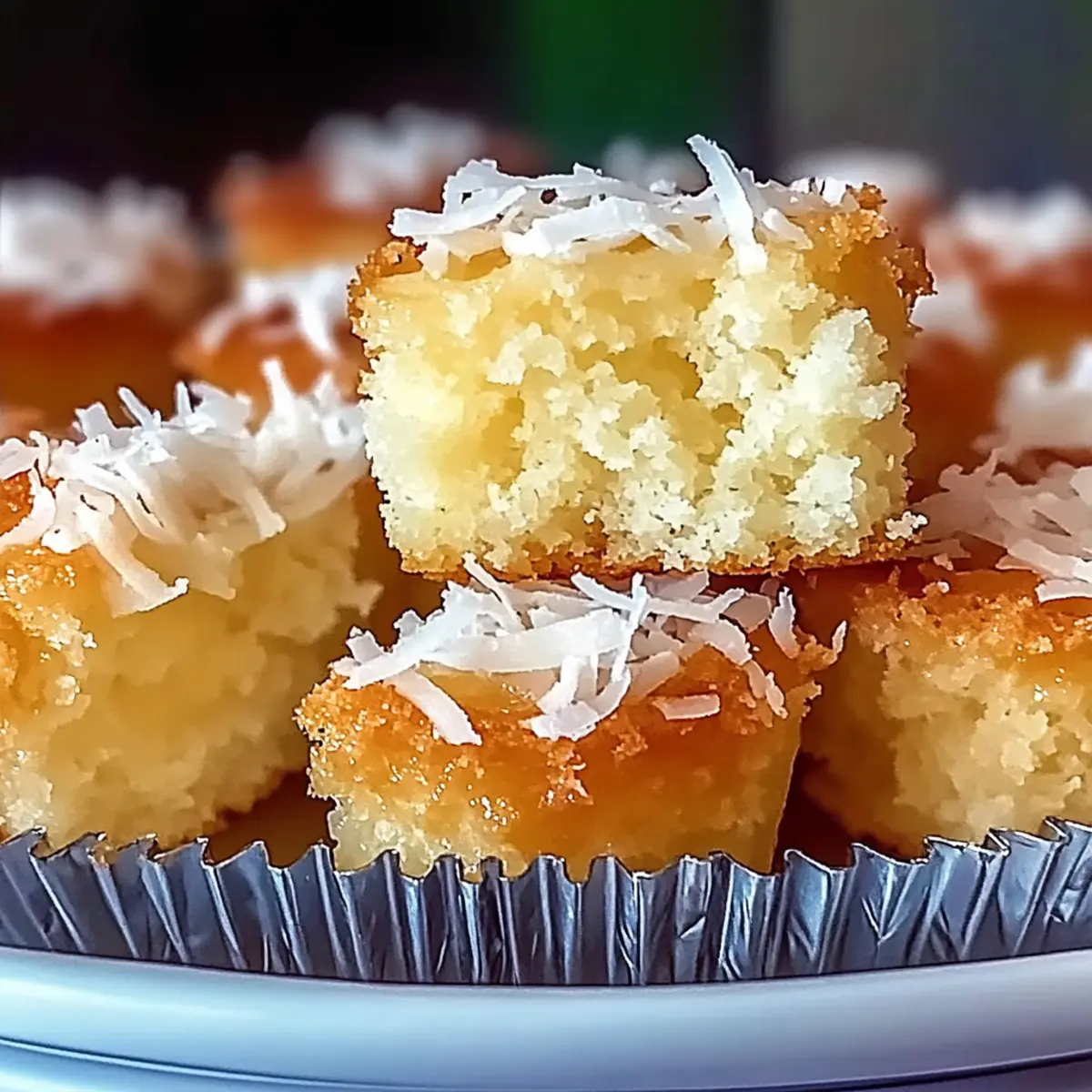
Delightful Portuguese Coconut Cakes: A Taste of the Tropics
Ingredients
Equipment
Method
- Preheat your oven to 350°F (175°C) and prepare a muffin tin with paper liners or grease it.
- In a mixing bowl, whisk together the coconut milk, shredded coconut, eggs, and sugar until smooth.
- In a separate bowl, sift the flour and baking powder together until lump-free.
- Gradually fold the dry mixture into the wet ingredients until just combined.
- Fill each muffin cup two-thirds full with the batter for even rising.
- Bake in the preheated oven for about 25 minutes, until golden brown.
- Let the cakes cool in the tin for 5-10 minutes before transferring to a wire rack to cool completely.
Leave a Reply