
The aroma of savory soy sauce and tender meat fills the air as I pull my slow cooker from the countertop, a trusty companion in my culinary adventures. Today, I’m excited to share a recipe that warms not just the belly but the heart: Korean Beef Noodles. This comforting dish is not only family-friendly and customizable to fit any taste but also perfect for meal prep, allowing you to savor delicious home-cooked flavors even on the busiest nights. With just a few ingredients and a hands-off cooking approach, you can create a delightful bowl of noodles that brings everyone to the table. Ready to dive into this cozy bowl of goodness? Let’s get started!
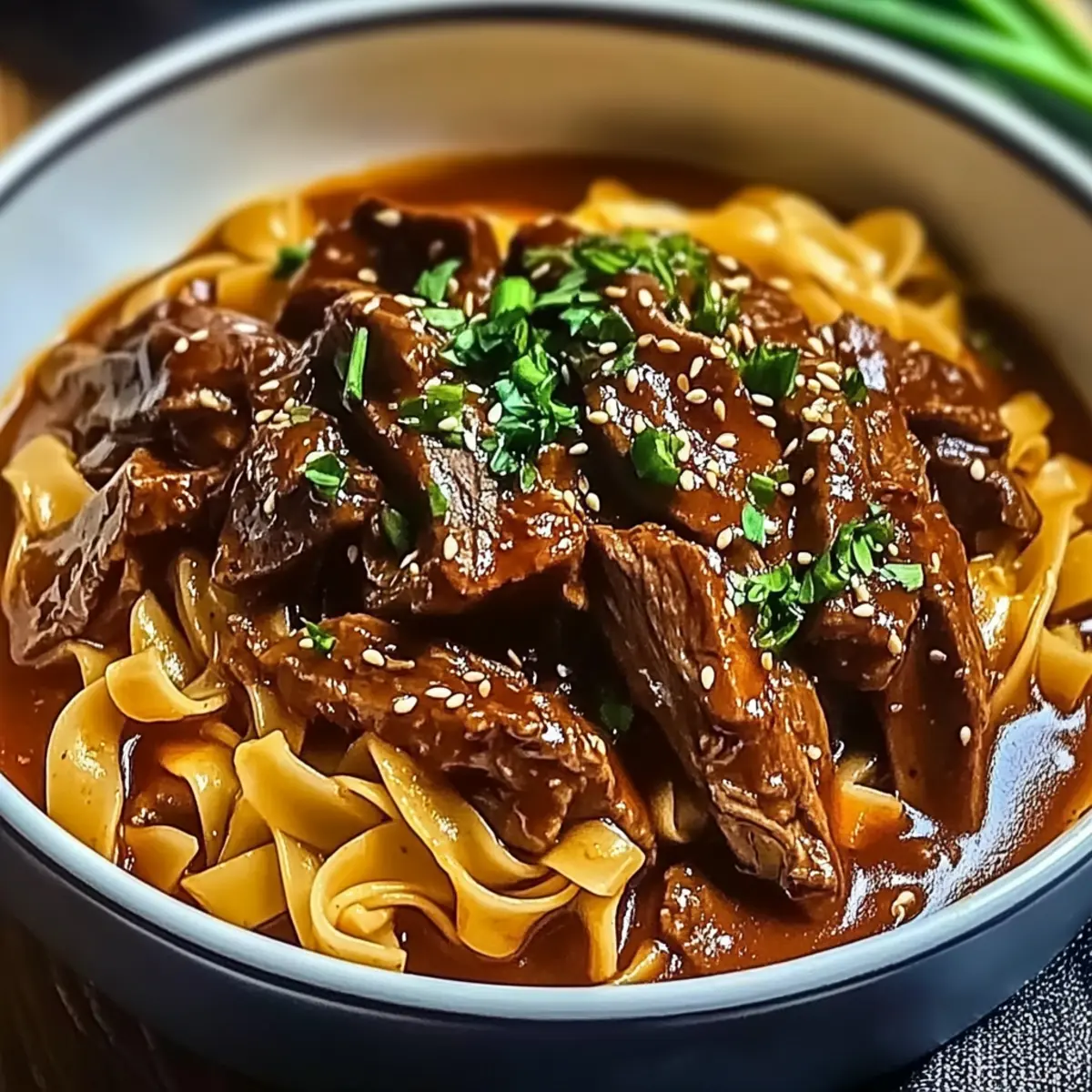
Why Are Korean Beef Noodles So Special?
Comforting, homemade goodness: Enjoy a warm bowl of Korean Beef Noodles that wraps you in comfort after a long day. Effortless preparation: Simply toss the ingredients into your slow cooker and let it do the work for you! Flavor explosion: The rich, savory broth infused with garlic and ginger will tantalize your taste buds. Customizable options: Make it your own by swapping in seasonal vegetables or adjusting the spice level. Family-friendly: This dish is sure to please everyone at the table, making it a perfect choice for gatherings. Meal prep-friendly: With leftovers that taste even better the next day, it’s ideal for busy weeks ahead!
Korean Beef Noodles Ingredients
For the Beef and Broth
• Beef Chuck – Provides richness and tenderness; substitute with brisket or flank steak if desired.
• Beef Broth – Base for the soup, enhancing depth of flavor; vegetable broth for a lighter option.
• Water – Adjusts the consistency of the broth; low-sodium options can be used.
• Soy Sauce – Adds saltiness and umami; use tamari for a gluten-free version.
• Brown Sugar – Balances saltiness with sweetness; can substitute with honey or coconut sugar.
• Ginger (minced) – Offers warmth and spiciness; fresh ginger is recommended over ground.
• Garlic (minced) – Provides aromatic flavor; fresh is best for potency.
• Sesame Oil – Adds nuttiness and depth; olive oil can be used but will change flavor profile.
• Black Pepper – Enhances overall flavor; freshly ground is preferred.
• Gochujang (Korean chili paste) – Brings heat and complexity; adjust the amount to taste or substitute with sriracha.
For the Noodles and Garnishing
• Noodles (udon or ramen) – Serves as the hearty component; rice noodles for a gluten-free alternative.
• Green Onions (sliced, for garnish) – Adds freshness and color.
• Sesame Seeds (optional topping) – Provides crunch and visual appeal.
• Cilantro (optional garnish) – Offers freshness and enhances flavor.
Step‑by‑Step Instructions for Korean Beef Noodles
Step 1: Prepare Beef
Start by seasoning the beef chuck with freshly ground black pepper, ensuring each piece is evenly coated. This step enhances the flavor of the Korean Beef Noodles. Set the seasoned beef aside while you prepare the sauce, allowing the pepper to infuse into the meat.
Step 2: Mix Sauce
In a mixing bowl, combine beef broth, soy sauce, brown sugar, minced ginger, minced garlic, sesame oil, and gochujang. Whisk the ingredients together until the brown sugar dissolves completely, creating a flavorful sauce. The aroma will begin to fill your kitchen, making the anticipation for the Korean Beef Noodles all the more delightful.
Step 3: Slow Cook
Place the seasoned beef into your slow cooker, then pour the prepared sauce mixture over the top, ensuring the beef is well-coated. Cover the slow cooker with its lid and set it to cook on low for 6-8 hours or high for 3-4 hours. The beef should become tender and easy to shred, filling your home with a comforting scent.
Step 4: Cook Noodles
About 15-20 minutes before you plan to serve, prepare the udon or ramen noodles according to the package directions. Bring a pot of salted water to a boil, add the noodles, and cook until al dente, which usually takes just a few minutes. Drain the noodles and set them aside, ready to soak up the rich broth later.
Step 5: Combine
Once the beef is tender, carefully lift the lid from the slow cooker and add the cooked noodles to the pot. Gently stir the mixture, allowing the noodles to absorb the flavorful broth and blend with the tender beef. This will transform your dish into the comforting Korean Beef Noodles you’ve been dreaming of.
Step 6: Serve
Spoon the Korean Beef Noodles into bowls, garnishing generously with sliced green onions and optional sesame seeds and cilantro for added flavor and color. The dish should look inviting and colorful, ready to warm the hearts of your family and friends as you serve up this hearty, homemade meal.
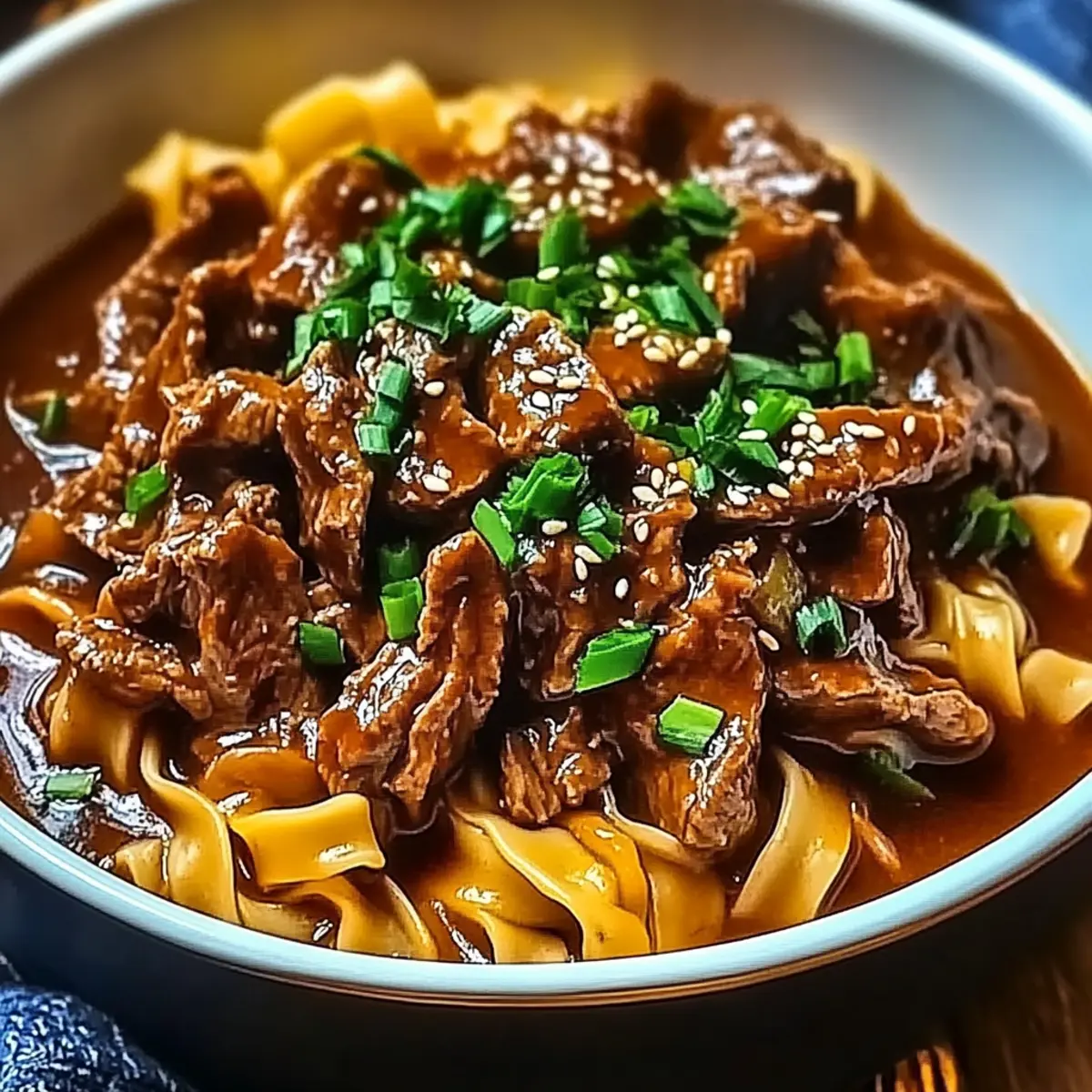
What to Serve with Slow Cooker Korean Beef Noodles
Are you ready to elevate your Korean Beef Noodles into a full meal that not only satisfies but delights the senses?
- Kimchi: A tangy, spicy side that adds a zesty kick and enhances the savory flavors of the noodles. The crunch and fermentation will excite your palate.
- Steamed Bok Choy: Delicately steamed with a sprinkle of salt, it offers a fresh, crisp contrast to the rich noodles, making every bite balance beautifully.
- Garlic Bread: While untraditional, buttery garlic bread complements the savory broth and soaks up every last drop, creating a comforting fusion.
- Crisp Vegetable Salad: A light salad with cucumbers and carrots tossed in sesame dressing will brighten the meal and add a fresh, crunchy element.
- Sushi Rolls: A side of vegetable or shrimp sushi rolls can enhance the Asian theme, offering a delightful variety of textures and flavors in one meal.
- Refreshing Green Tea: Pairing with a chilled or hot green tea refreshes the palate and adds a soothing element that complements the richness of the dish.
- Mochi Ice Cream: End your meal on a sweet note with these delightful little desserts. Their chewy texture and various flavors provide a fun and satisfying finish.
Korean Beef Noodles Variations & Substitutions
Feel free to make this recipe your own with these delightful twists and swaps!
- Spicy Kick: Add extra gochujang or sliced red chilies to elevate the heat level. For chili lovers, a spicy kick will truly awaken your taste buds!
- Vegetable Boost: Toss in fresh seasonal vegetables like bok choy, bell peppers, or carrots for added nutrition and color. They not only elevate the dish visually but also bring a fresh crunch.
- Protein Swap: For a lighter option, substitute beef with chicken or tofu, making it perfect for different dietary preferences. Each protein brings its own unique flavor, so enjoy exploring!
- Gluten-Free Glory: Use tamari or gluten-free soy sauce to make this dish suitable for gluten-sensitive diners, ensuring everyone can savor this comforting meal.
- Herb Enhance: Add fresh basil or mint to the garnish for an aromatic twist. These herbs bring a burst of freshness that beautifully complements the rich broth.
- Noodle Variation: Try swapping traditional noodles for rice noodles or zucchini noodles for a gluten-free or low-carb alternative. The change in texture creates a whole new dining experience!
- Coconut Creaminess: Stir in a touch of coconut milk towards the end of cooking for creamy richness. It will lend a tropical twist and balance the flavors beautifully.
For more comforting recipes, check out my Garlic Butter Beef or indulge in the savory goodness of Korean Ground Beef. Happy cooking!
How to Store and Freeze Korean Beef Noodles
Fridge: Keep leftovers in an airtight container for up to 4 days. This ensures your Korean Beef Noodles stay fresh and flavorful for your next meal.
Freezer: Place cooled leftovers in a freezer-safe container for up to 3 months. Consider portioning them out for easy meal prep when you’re ready to enjoy again.
Reheating: Thaw overnight in the fridge before reheating. Warm in a pot on the stove with a splash of beef broth to restore moisture and flavor.
Assembly Tip: For best results, store the beef and noodles separately if possible. This helps maintain the texture of both components when you’re ready to indulge in this comforting dish.
Make Ahead Options
Preparing Korean Beef Noodles ahead of time is a fantastic way to save precious moments during busy days! You can season and refrigerate the beef chunks up to 24 hours in advance, allowing the flavors to deepen. Additionally, the sauce can be mixed and stored in an airtight container in the fridge for up to 3 days. When it’s time to serve, simply combine the beef and sauce in the slow cooker and follow the original cooking instructions. For best quality, cook the noodles fresh right before serving, as this maintains their perfect texture. With these make-ahead options, you can enjoy delicious, comforting Korean Beef Noodles with minimal effort!
Expert Tips for Korean Beef Noodles
• Quality Ingredients: Use fresh, high-quality beef and aromatics to maximize flavor in your Korean Beef Noodles. The difference will be noticeable in every bite.
• Taste as You Go: Regularly taste the broth during cooking to adjust the seasoning. This simple step ensures a balanced and delicious dish that suits your preference.
• Rest the Beef: After cooking, let the beef rest for a few minutes before shredding. This redistributes the juices, making it even more tender and flavorful.
• Cooking Time: Don’t rush the slow cooking process! Allow the beef to cook low and slow for the best tenderness. Going too fast can result in tough meat.
• Warming Bowls: Consider warming your serving bowls before plating. This keeps your Korean Beef Noodles hot while enjoying, preventing them from cooling too quickly.
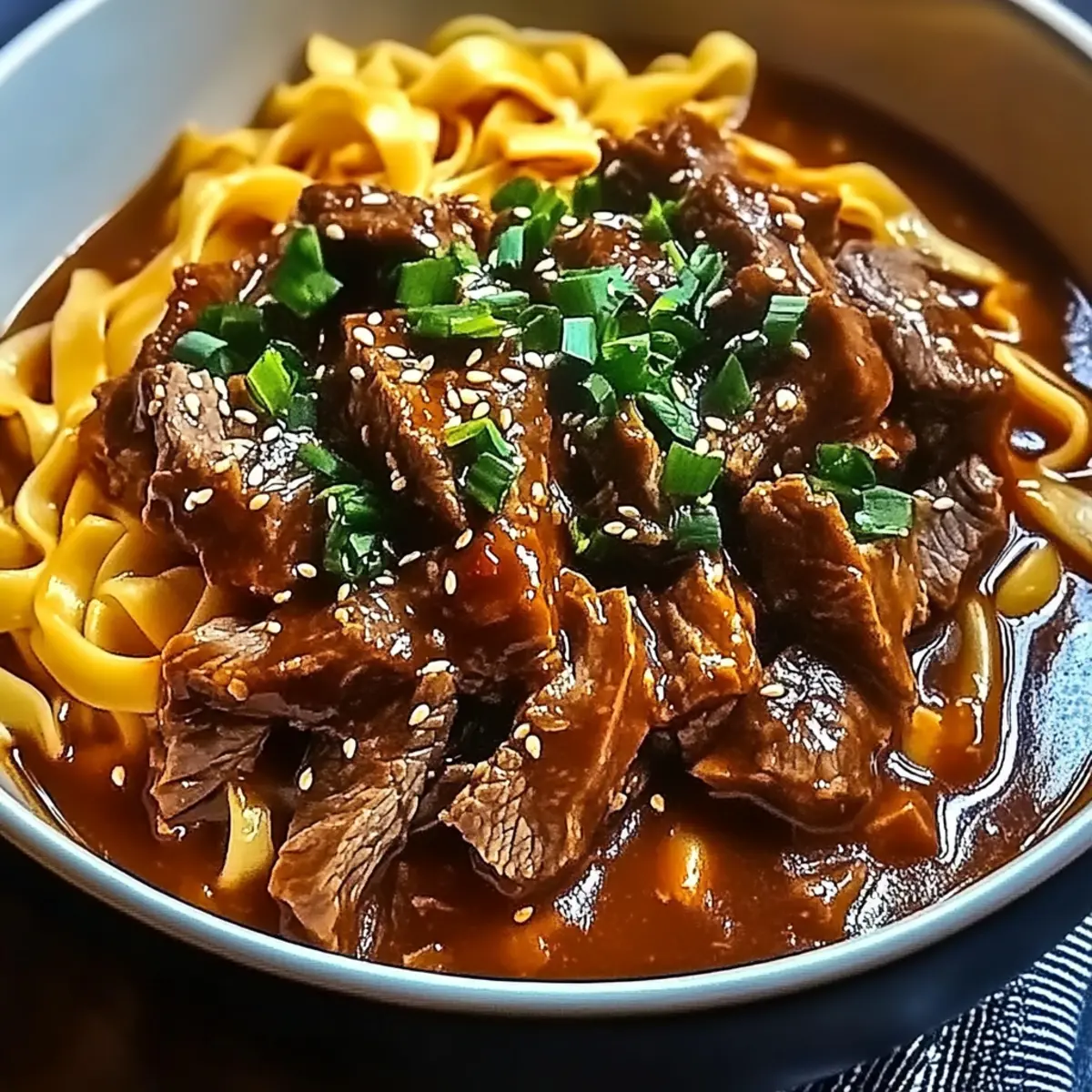
Korean Beef Noodles Recipe FAQs
How do I choose the best beef for Korean Beef Noodles?
Absolutely! For their tenderness and rich flavor, beef chuck is the best choice. However, if you’re looking for an alternative, brisket or flank steak can also work wonders. When selecting, choose cuts that have good marbling, which will ensure a juicy result after slow cooking.
What is the best storage method for leftovers?
Very important! Store your Korean Beef Noodles in an airtight container in the refrigerator for up to 4 days. This keeps the dish fresh. If you want to enjoy it later, freeze the leftovers in a freezer-safe container for up to 3 months. Make sure to let it cool completely before freezing to avoid ice crystals.
Can I freeze Korean Beef Noodles?
Absolutely! To freeze your Korean Beef Noodles, allow the dish to cool. Then, portion it into freezer-safe containers, leaving a bit of space for expansion. Label them with the date and freeze for up to 3 months. When you’re ready to enjoy, thaw in the fridge overnight and reheat gently on the stove, adding a splash of beef broth for moisture.
What should I do if my sauce is too salty?
No worries! If you find the sauce too salty, you can add sweetness to balance it out. A tablespoon of brown sugar or honey can help. Alternatively, add a bit of water or unsalted beef broth to dilute the saltiness—just be cautious to adjust gradually until you reach the desired flavor.
Are there any dietary considerations for this recipe?
Very much so! For gluten-free diets, use tamari in place of regular soy sauce. If you’re catering to specific allergies, ensure that the beef broth you select is free from allergens. Additionally, feel free to swap out beef for chicken or tofu, making this dish versatile enough for a variety of dietary preferences.
How can I make Korean Beef Noodles spicier?
The more the merrier with spice! To kick up the heat, simply increase the gochujang in the sauce. You can also add sliced fresh chilies or red pepper flakes according to your taste preference. Just remember to adjust slowly, tasting as you mix to find your perfect heat level!
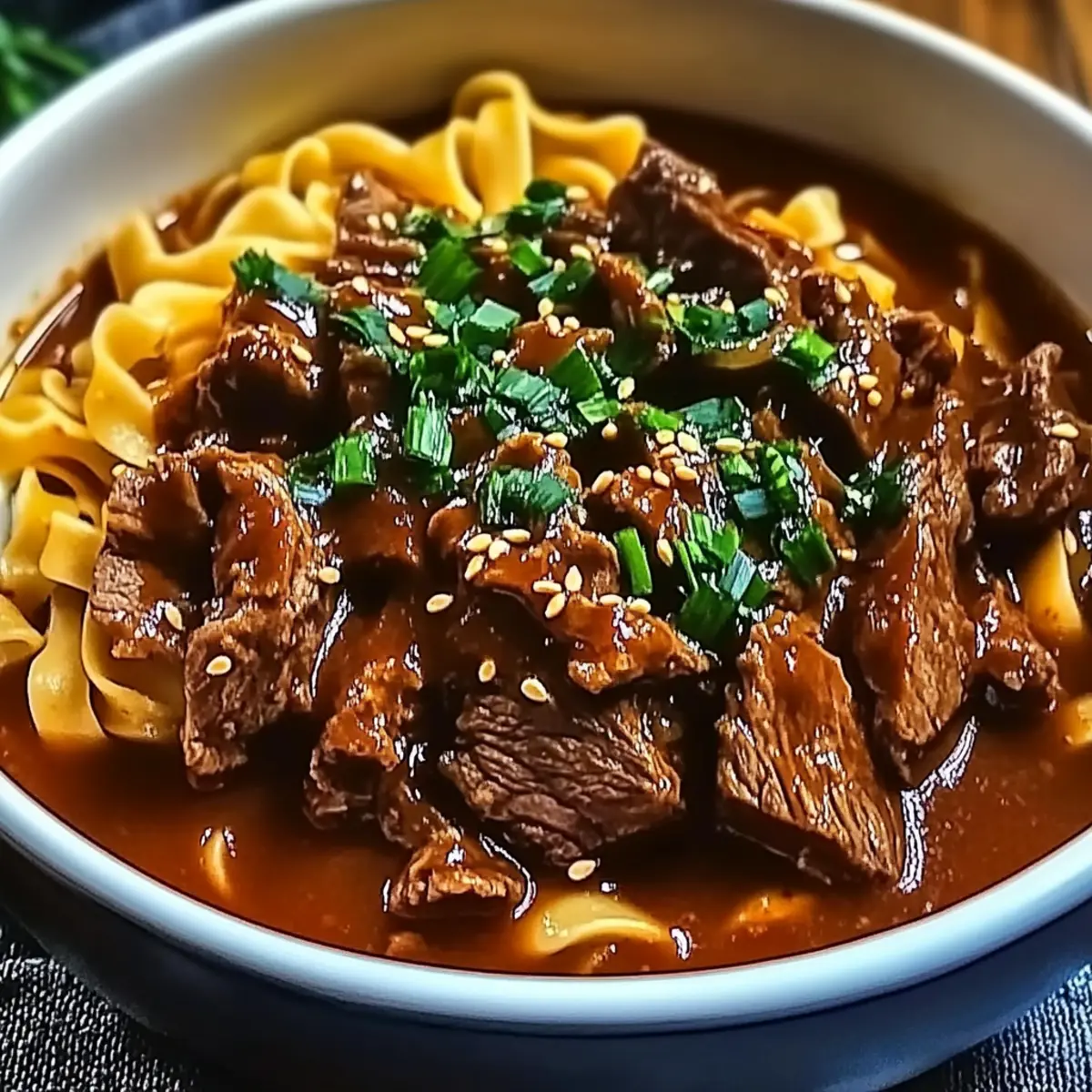
Comforting Korean Beef Noodles for Cozy Family Dinners
Ingredients
Equipment
Method
- Season the beef chuck with freshly ground black pepper, ensuring each piece is evenly coated.
- In a mixing bowl, combine beef broth, soy sauce, brown sugar, minced ginger, minced garlic, sesame oil, and gochujang. Whisk until brown sugar dissolves completely.
- Place the seasoned beef into your slow cooker and pour the sauce mixture over the top.
- Set the slow cooker to cook on low for 6-8 hours or high for 3-4 hours.
- About 15-20 minutes before serving, prepare the noodles according to package directions.
- Once the beef is tender, add the cooked noodles to the pot, stirring gently.
- Serve the Korean Beef Noodles in bowls, garnishing with green onions, sesame seeds, and cilantro.
Leave a Reply