
As I stood in my kitchen, the sweet aroma of coconut filled the air, whisking me away to a sun-drenched Thai beach. That’s the magic of making Thai Coconut Custard—it’s like a little slice of tropical paradise, right in your home. This recipe is not only gluten-free but also beginner-friendly, inviting everyone to discover the joy of creating something truly special. With its rich coconut flavor and a hint of caramel from palm sugar, this custard is a delightful treat that can be enjoyed warm or chilled. Plus, it’s endlessly customizable; whether you add pandan leaves for an aromatic twist or layer in some sticky rice for extra texture, it promises to win the hearts of family and friends alike. Curious to ignite your culinary adventure? Let’s dive into this enchanting dessert!
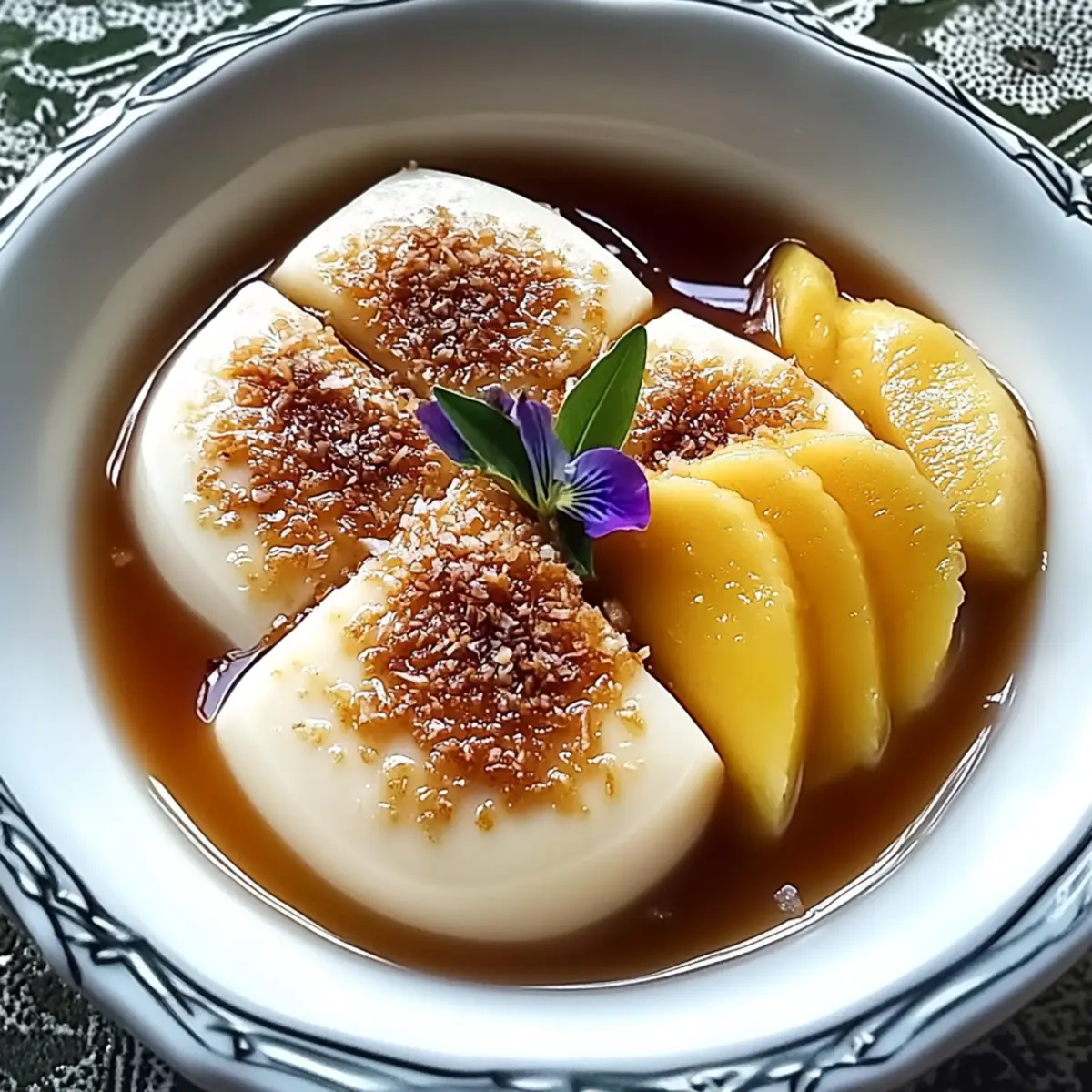
Why is Thai Coconut Custard Irresistible?
Luscious Creaminess: This custard boasts a velvety texture that melts in your mouth, thanks to the rich coconut milk and eggs.
Tropical Flavor: Infused with palm sugar, it delivers a delightful caramel-like sweetness that transports you straight to Thailand.
Beginner-Friendly: No complicated techniques here! This recipe is perfect for novice cooks eager to impress.
Customizable Treat: Feel free to add pandan leaves or layers of sticky rice for a unique twist that everyone will adore.
Crowd-Pleasing Dessert: Whether served warm or chilled, this custard is sure to be a hit at any gathering. To round out your meal, consider pairing it with Coconut Chicken Rice for a complete culinary experience!
Thai Coconut Custard Ingredients
• Dive into the sweetness of this tropical delight!
For the Base
- Eggs – provide essential structure and ensure your Thai Coconut Custard sets perfectly.
- Coconut Milk – the star of the dish, bringing rich, tropical creaminess; full-fat is best for indulgence.
- Palm Sugar – adds a natural sweetness with a caramel touch; can be swapped with brown sugar if needed.
- Salt – enhances and balances the flavors; just a pinch will do!
- Vanilla Extract – infuses a warm aroma, elevating the flavor profile of your custard.
Optional Additions
- Pandan Leaves – add them for a delightful herbal fragrance that complements the coconut beautifully.
- Sticky Rice – layer at the bottom for a charming texture and heartiness in every bite.
Give this satisfying Thai Coconut Custard a try and watch it become a favorite in your home!
Step‑by‑Step Instructions for Thai Coconut Custard
Step 1: Preheat the Oven
Begin by preheating your oven to 350°F (175°C). While the oven warms up, arrange pandan leaves at the bottom of your baking dish if you’re using them, as this will infuse the Thai coconut custard with a delightful herbal note during baking. Make sure the baking dish is well-prepared to prevent sticking.
Step 2: Beat the Eggs
In a mixing bowl, gently beat the large eggs using a whisk until smooth and well-combined, aiming to incorporate just a bit of air without creating bubbles. This should take about a minute. A smooth mixture is crucial for the texture of your Thai coconut custard, so take your time with this step.
Step 3: Combine the Ingredients
Next, whisk together the coconut milk, palm sugar, salt, and vanilla extract with the beaten eggs. Stir until everything is fully dissolved and the mixture is uniform, which should take about 2-3 minutes. The rich aroma of coconut will fill your kitchen, setting the perfect tropical tone for the dessert.
Step 4: Strain the Mixture
Once your mixture is combined, pour it through a fine sieve into another bowl. This step ensures your Thai coconut custard remains silky smooth, free from lumps. The straining process should take only a couple of minutes, but the result is a luxurious texture that everyone will love.
Step 5: Prepare the Baking Dish
If you want to add sticky rice for added texture, layer the soaked sticky rice at the bottom of the prepared baking dish. Press it down gently to create a flat base before pouring the custard mixture over it. This optional step elevates the custard’s heartiness and makes for a delightful surprise.
Step 6: Create a Water Bath
Place your baking dish inside a larger pan and fill the outer pan with hot water until it reaches halfway up the sides of the custard dish. This water bath is essential for even cooking and helps prevent your Thai coconut custard from cracking. Handle this step carefully to avoid splashing.
Step 7: Bake the Custard
Transfer the assembled dishes to the preheated oven and bake for 45 minutes to 1 hour. Keep an eye on the custard; it’s done when the edges are set and the center jiggles slightly when gently shaken. This visual cue is key to ensuring your custard is perfectly cooked.
Step 8: Cool and Chill
After baking, carefully remove the water bath and let the custard cool at room temperature for about 30 minutes. Once it’s cool, transfer it to the refrigerator to chill for at least 2 hours before serving. Chilling enhances the flavor and allows the custard to firm up beautifully, making it a refreshing dessert.
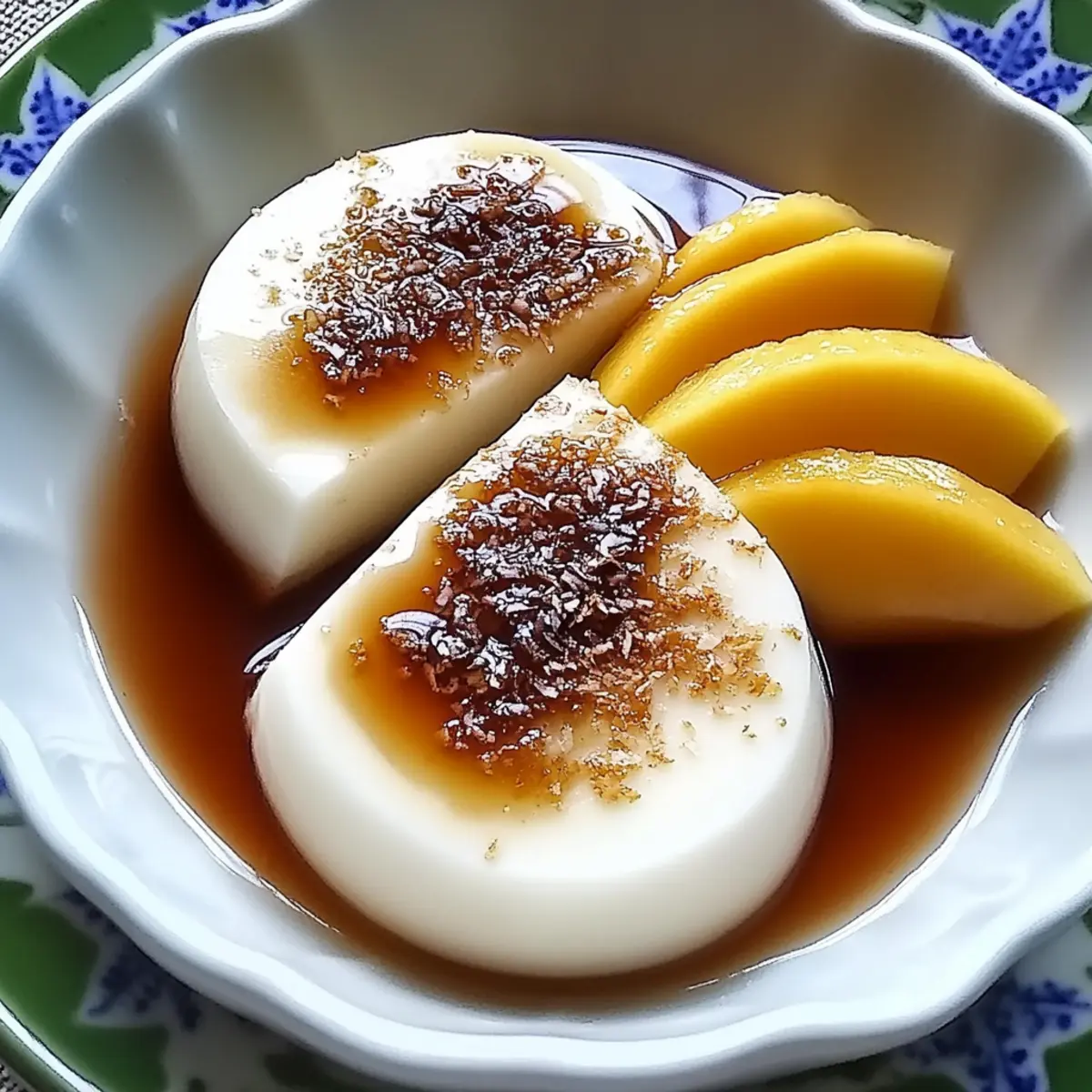
Thai Coconut Custard Variations
Feel free to make this delightful dessert your own by trying different twists and substitutions that tickle your taste buds!
-
Dairy-Free: Substitute coconut milk with a blend of almond and oat milk for a nutty flavor without dairy.
It still maintains that creamy texture and taste while being friendly for lactose-intolerant friends! -
Sweetener Swap: Use agave syrup instead of palm sugar for a different sweetness level.
This twist is great if you’re looking for a lower-glycemic option while keeping the flavors delightful. -
Flavor Boost: Add a splash of pandan paste for a rich, herbal note that complements the coconut beautifully.
This vibrant addition ties in perfectly with the tropical feel of the dish, enhancing its authenticity. -
Fruity Finish: Top with fresh mango or sliced bananas before serving for a tropical burst of flavor.
This fruity addition not only elevates the custard but also adds a pleasing contrast in texture. -
Sticky Surprise: Layer cooked sweet sticky rice at the bottom for a heartier dessert that’s both filling and satisfying.
This variant gives a delightful chewiness that pairs wonderfully with the creamy custard. -
Textural Twist: Fold in some toasted coconut flakes for a crunchy topping that contrasts with the custard’s smoothness.
Adding textures really makes this dessert engaging and adds deeper flavors that transport you to a beachside café! -
Spice It Up: Incorporate a dash of cardamom or a hint of cinnamon for an exotic aroma that warms the soul.
This subtle heat gives the custard a unique depth, making it truly impressive to serve to guests!
For more delicious pairings, serve with a warm plate of Coconut Chicken Rice for an unforgettable culinary journey!
Make Ahead Options
These Thai Coconut Custard delights are perfect for busy home cooks looking to save time during the week! You can prepare the custard mixture up to 24 hours in advance by combining the eggs, coconut milk, palm sugar, salt, and vanilla extract and then refrigerating it until you’re ready to bake. For optimal quality, be sure to strain the mixture to ensure a silky texture and cover it tightly with plastic wrap or transfer it to an airtight container. When you’re ready to enjoy, simply pour the mixture into your prepared baking dish, create a water bath, and bake as directed. This way, you’ll have a delicious tropical dessert with minimal effort!
What to Serve with Irresistibly Creamy Thai Coconut Custard
The magic of this tropical dessert can truly shine when paired with the right accompaniments, turning it into a delightful feast.
-
Fresh Mango Slices: Juicy and sweet, these slices add a refreshing contrast, enhancing the custard’s creamy texture. They embody tropical bliss, creating a vibrant duo.
-
Toasted Coconut Flakes: The crunch and nuttiness of toasted coconut offer delightful texture and echo the coconut flavor in the custard beautifully. A sprinkle on top transforms your dessert into a feast for the senses.
-
Passion Fruit Sauce: The tangy and slightly tart flavor of passion fruit sauce brings a burst of freshness, lifting the sweetness of the custard and providing an exciting taste experience. Just drizzle generously over your custard before serving.
-
Sticky Rice with Coconut Cream: Pair this comforting rice dish for a true Thai experience. The warmth and heartiness create a satisfying and indulgent bite, making each forkful a delightful treasure.
-
Thai Iced Tea: This sweet, creamy drink complements the custard perfectly, balancing the rich flavors. Sipping on this as you enjoy dessert makes for a luxurious moment.
-
Chilled Pineapple Tart: Add a refreshing dessert option alongside for variety. The tartness of pineapple contrasts the sweetness of the custard and garners an exciting contrast on the palate.
-
Sliced Avocado with Lime: A surprising pairing, the creamy avocado with a touch of lime creates a palate-cleansing experience that is both healthy and satisfying. A unique finish to balance out the dessert’s sweetness.
-
Custard Tart with Spices: For something more traditional, consider offering a custard tart flavored with nutmeg or cinnamon. The warm spices create a lovely harmony with the tropical flavors of the Thai coconut custard.
-
Chilled Coconut Water: This refreshing beverage hydrates and pairs perfectly with the dessert’s coconut elements, making your meal revitalizing!
Indulge in these pairings and watch your Thai Coconut Custard turn into a memorable culinary experience!
Expert Tips for Thai Coconut Custard
-
Smooth Mixture: Use a fine sieve to strain the mixture for a silky-smooth custard. This step is crucial to eliminate lumps and ensure the best texture.
-
Gentle Beating: Avoid beating the eggs too vigorously to prevent the custard from puffing up. You want a delicate, creamy texture, not a soufflé-like result.
-
Water Bath Magic: Baking in a water bath is essential for preventing cracking. It creates gentle heat and retains moisture, allowing even cooking.
-
Cooling Time: Let the custard cool before refrigerating it. This process enhances both the texture and flavor, making your Thai Coconut Custard even more delightful.
-
Optional Extras: Experiment with pandan leaves and sticky rice for added flavor and texture. Don’t be afraid to customize your custard to suit your taste!
How to Store and Freeze Thai Coconut Custard
Fridge: Store your Thai coconut custard in an airtight container for up to 3 days. This keeps it fresh while preserving its delectable flavor and creamy texture.
Freezer: Freeze the custard for up to 2 months, ensuring it is well-wrapped to prevent freezer burn. Thaw overnight in the fridge before enjoying.
Reheating: To serve warmed, gently reheat the custard in a microwave or a water bath. Be careful not to overheat, as this can change the texture.
Serving Tip: Serve chilled for a refreshing treat on hot days or warm to create a comforting dessert experience!
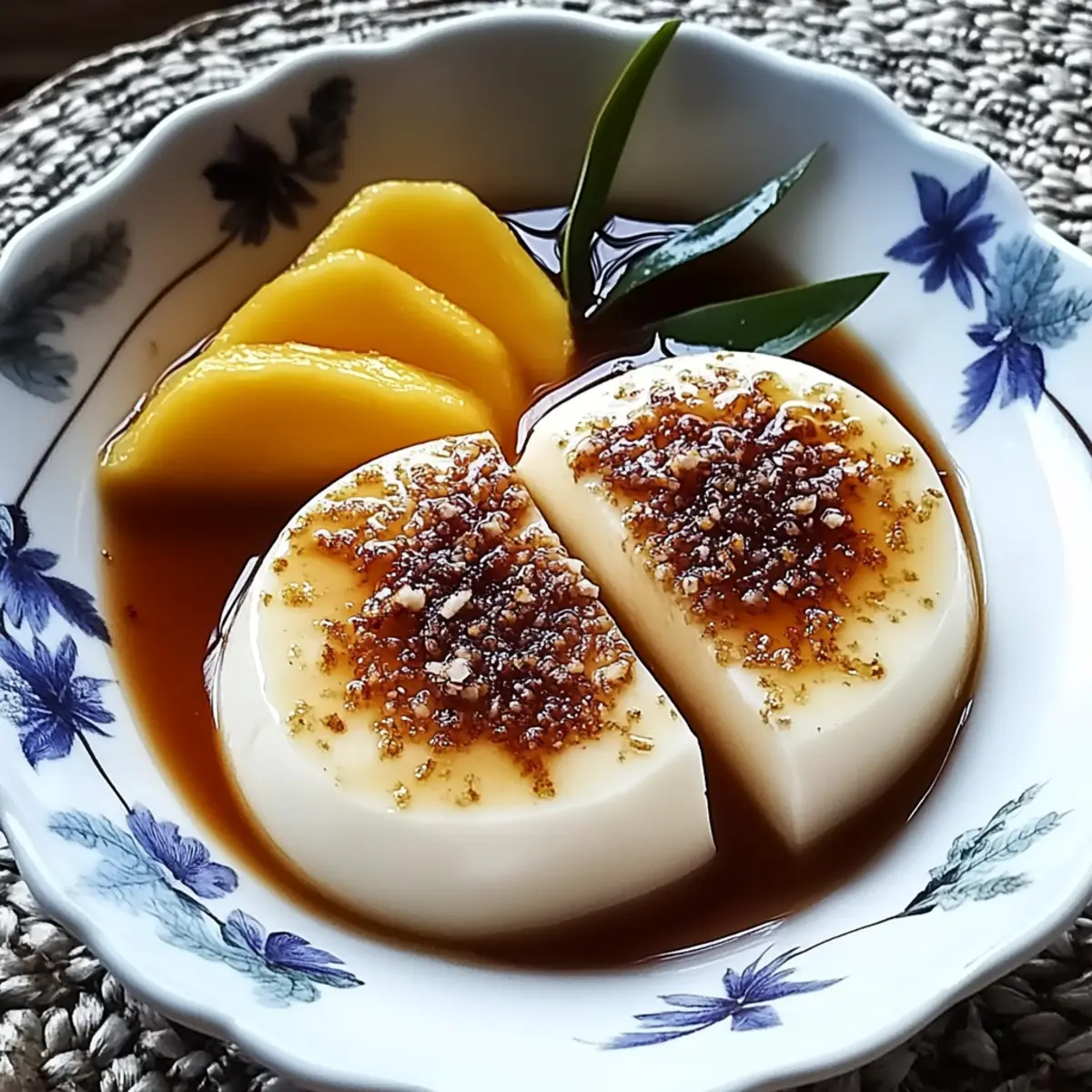
Thai Coconut Custard Recipe FAQs
How do I select ripe ingredients for Thai Coconut Custard?
Absolutely! For the best flavor, choose large eggs at room temperature, as they blend better with the other ingredients. When selecting coconut milk, go for full-fat varieties to achieve that creamy texture. If using fresh pandan leaves, pick vibrant, green leaves that are firm and aromatic. If they start to yellow or brown, they may be past their prime.
What is the best way to store leftover Thai Coconut Custard?
Very! Store your Thai coconut custard in an airtight container in the refrigerator for up to 3 days. This keeps it fresh and allows you to enjoy the delectable flavors for a little longer. If you’re feeling generous, you can offer some to friends or family—though I always find the more the merrier!
Can I freeze Thai Coconut Custard, and if so, how?
Yes! To freeze your Thai coconut custard, let it cool completely first. Wrap it tightly in plastic wrap or aluminum foil, covering it well to prevent freezer burn. It can be stored in the freezer for up to 2 months. When you’re ready to enjoy, transfer it to the fridge overnight to thaw gently. For optimal results, avoid reheating directly from frozen, as it may alter the texture.
What should I do if my custard cracks during baking?
No worries! Cracking can happen, especially if the custard is exposed to too much heat. Always use a water bath, as it provides gentle, moist heat, ensuring even cooking. If you notice cracks upon baking, don’t fret—you can cover the custard with your favorite toppings to make it visually appealing again, like fresh fruits or toasted coconut.
Is Thai Coconut Custard safe for pets and those with dietary allergies?
Great question! Thai coconut custard is generally safe for dogs in moderation due to its coconut milk base. However, it contains eggs, which should always be fed to pets in minimal quantities. As for allergies, be cautious with ingredients like palm sugar and coconut, common allergens for some individuals. Always check for specific allergies before sharing.
Can I make Thai Coconut Custard without specific ingredients?
Absolutely! If you don’t have pandan leaves, simply skip them—your custard will still be deliciously creamy! Feeling adventurous? You might swap palm sugar with brown sugar or maple syrup for a different flavor profile. Just keep in mind that the taste will vary slightly, but experimentation is part of the culinary fun!
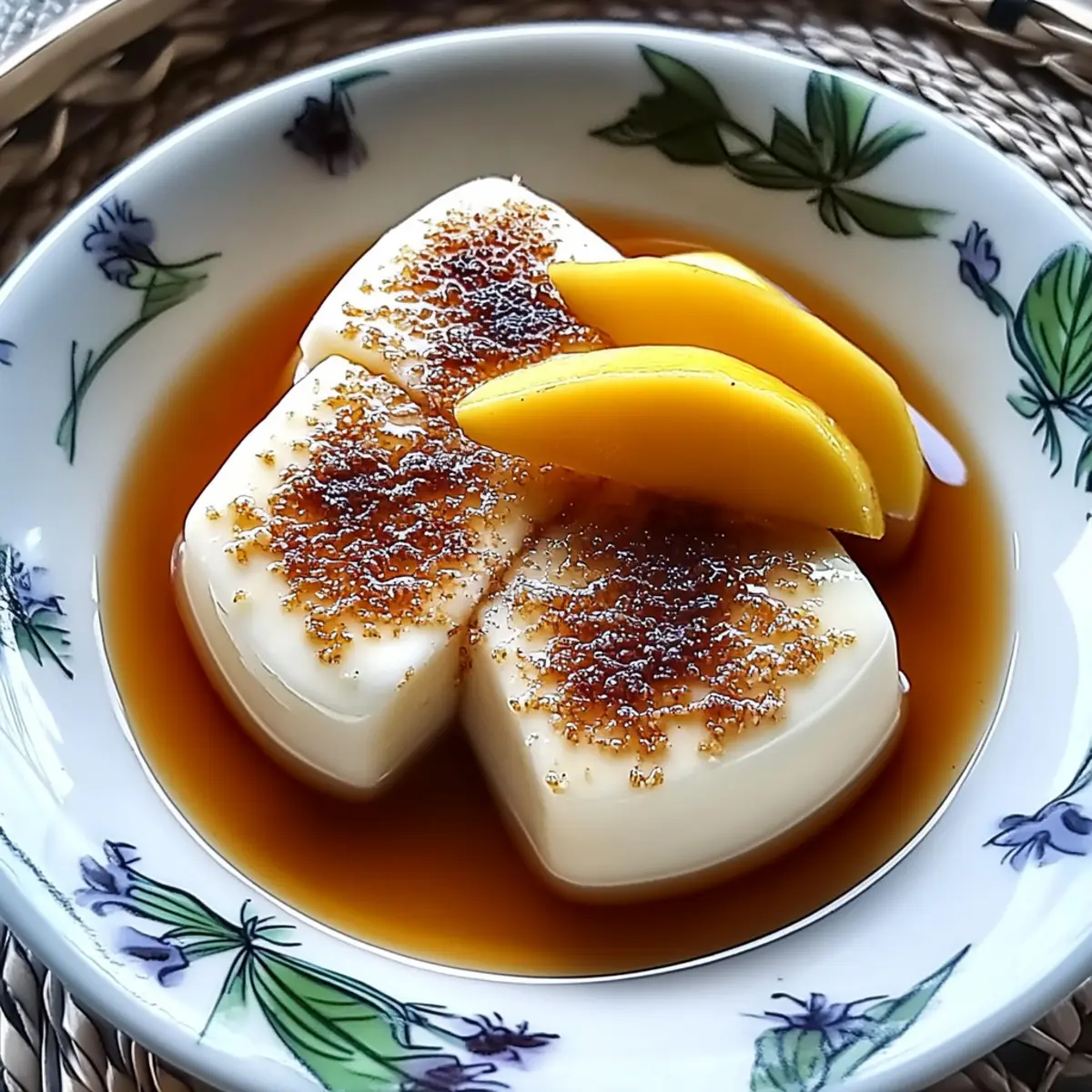
Deliciously Creamy Thai Coconut Custard to Brighten Your Day
Ingredients
Equipment
Method
- Preheat the oven to 350°F (175°C) and prepare the baking dish.
- Gently beat the eggs in a mixing bowl until smooth.
- Whisk together the coconut milk, palm sugar, salt, and vanilla with the beaten eggs until dissolved.
- Strain the mixture through a fine sieve into another bowl.
- If using sticky rice, layer it at the bottom of the prepared baking dish.
- Create a water bath by placing the baking dish into a larger pan filled with hot water.
- Bake for 45 minutes to 1 hour until edges are set and center jiggles slightly.
- Let cool for about 30 minutes, then chill in the refrigerator for at least 2 hours.
Leave a Reply