
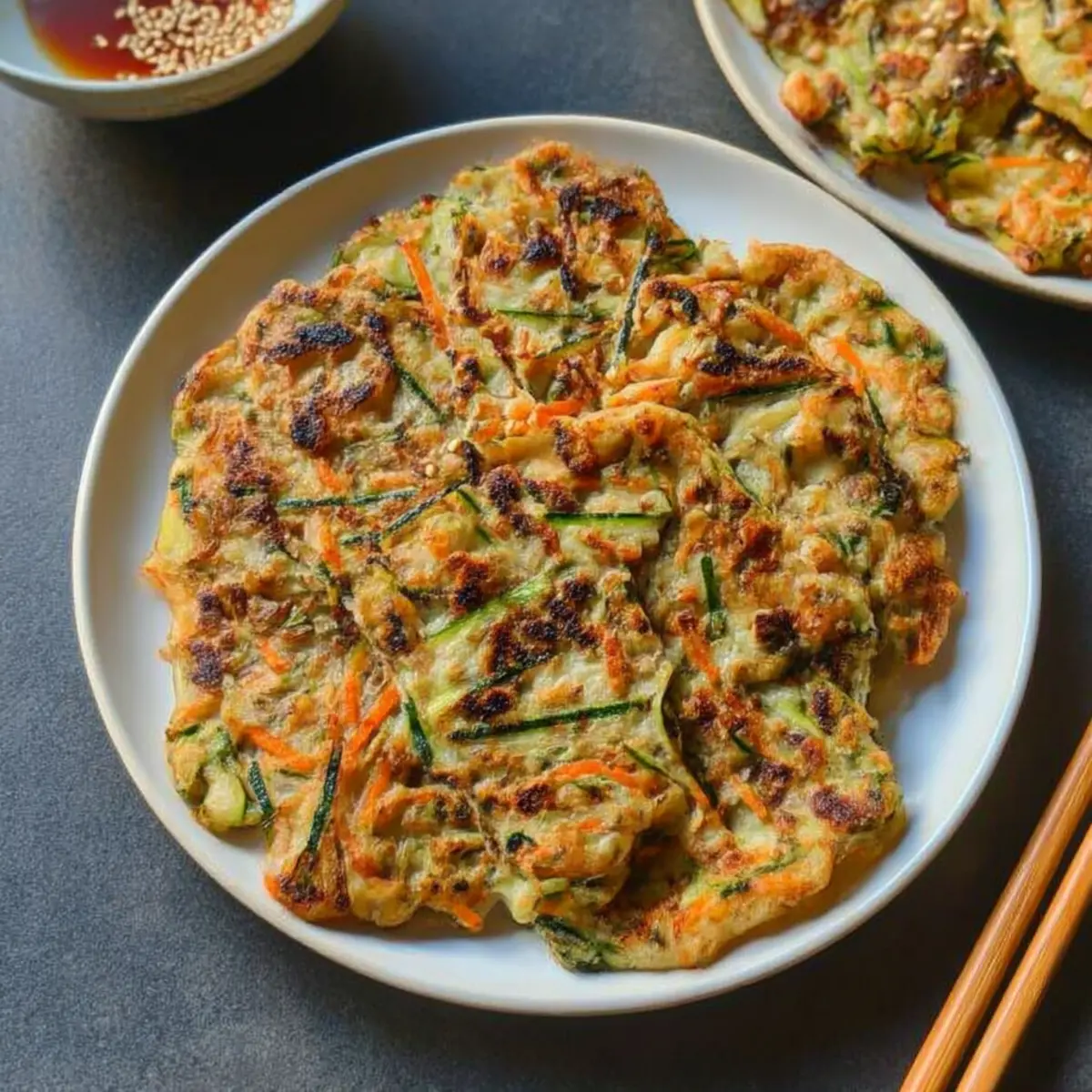
As the tempting aroma of sizzling vegetables fills the air, I can’t help but feel a wave of nostalgia wash over me. Today, I’m excited to share my recipe for Yachaejeon, Korean vegetable pancakes that can effortlessly transform your dinner table into a colorful feast. These pancakes are not only easy to whip up but also completely customizable, allowing you to use whatever fresh veggies you have on hand—think zucchini, sweet potatoes, and carrots. They make for a delightful appetizer or a main course, and the best part? They’re entirely vegan and can be made gluten-free too! Serve them alongside a homemade dipping sauce, and you’ve created a dish that’s not just satisfying but will also impress your family and friends. Ready to dive into the world of these crispy, savory delights? Let’s get started!
Why Are These Pancakes a Must-Try?
Crispy Perfection: Enjoy the crunchy exterior that yields to a tender inside, making every bite a delight.
Endless Customization: Use whatever vegetables you have on hand, whether it’s zucchini, sweet potatoes, or even mushrooms.
Quick and Easy: These pancakes come together quickly, perfect for a weeknight dinner or last-minute guests.
Healthy Eating Made Fun: Packed with nutrients and vibrant colors, they are a feast for the eyes as much as for the taste buds.
Vegan and Allergy-Friendly: Completely vegan and easily adapted to gluten-free, they cater to diverse dietary needs. Serve with a side of Korean Ground Beef for a heartier meal or get creative with spice levels!
Korean Vegetable Pancakes Ingredients
For the Batter
• All-Purpose Flour – Essential for structure; gluten-free flour can be used if needed.
• Baking Powder – This leavening agent makes your pancakes fluffy and light.
• Corn Starch or Potato Starch – Helps achieve a crispy texture, preventing sogginess.
• Salt – Enhances flavor; black salt can give a unique “eggy” taste.
• Turmeric Powder – Optional for adding a lovely yellow hue to your batter.
• Room Temperature Water – Binds your ingredients into a smooth batter; adjust for desired thickness.
For the Vegetables
• Zucchini – Adds moisture and texture; slice into matchsticks for even cooking.
• Sweet Potato – Brings sweetness and heartiness; shred or cut into matchsticks.
• Carrot – Adds vibrant color and natural sweetness; also cut into matchsticks or grated.
• Onion – Provides flavor and moisture; thinly sliced for easy incorporation.
• Scallions (Green Onions) – For a fresh, mild flavor; chop or slice thinly.
For Frying and Dipping
• Neutral Oil – Necessary for frying, ensuring your pancakes turn out crispy and golden.
• Dipping Sauce (Soy Sauce, Water, Vinegar, Sugar, Sesame Oil, Sesame Seeds) – Perfect for complementing the Korean vegetable pancakes; adjust to your taste preferences.
Step‑by‑Step Instructions for Korean Vegetable Pancakes
Step 1: Prepare the Batter
In a large mixing bowl, combine all the dry ingredients: all-purpose flour, baking powder, corn starch, salt, and turmeric. Mix well with a whisk to ensure there are no lumps. Gradually pour in room temperature water, stirring continuously until you achieve a thick, smooth batter. If the batter seems too thick, add a bit more water to reach your desired consistency.
Step 2: Add the Vegetables
Once your batter is ready, it’s time to incorporate the vegetables. Add your prepared zucchini, sweet potato, carrot, onion, and scallions to the batter. Gently fold the vegetables in until they are evenly coated with the batter. This colorful mixture will create a delightful texture in your Korean vegetable pancakes.
Step 3: Heat the Pan
Preheat a non-stick frying pan over medium-high heat and add a generous amount of neutral oil, ensuring the pan is well-coated. Allow the oil to heat until it shimmers, signaling that it’s ready. The right temperature is crucial; an adequately heated pan will result in crispy, golden-brown pancakes.
Step 4: Cook the Pancakes
Spoon a ladleful of batter onto the hot pan, spreading it out into a thin circle, about ½ inch thick. Cook for 4-5 minutes, or until the edges look dry and the underside is golden brown. Resist the urge to overcrowd the pan, allowing each pancake ample space to crisp up nicely.
Step 5: Flip and Finish Cooking
Carefully flip the pancake using a spatula, taking care to retain its form. Cook for an additional 3-4 minutes, checking for a crispy and golden exterior. If you find that the pancakes are cooking too quickly, reduce the heat slightly to allow the inside to cook through without burning the outside.
Step 6: Repeat & Serve
Remove the cooked pancake from the pan and place it on a cooling rack or plate lined with paper towels to absorb excess oil. Repeat the cooking process with the remaining batter, adjusting the oil as needed. Once all your Korean vegetable pancakes are cooked, slice them into bite-sized pieces, ready to serve alongside your homemade dipping sauce.
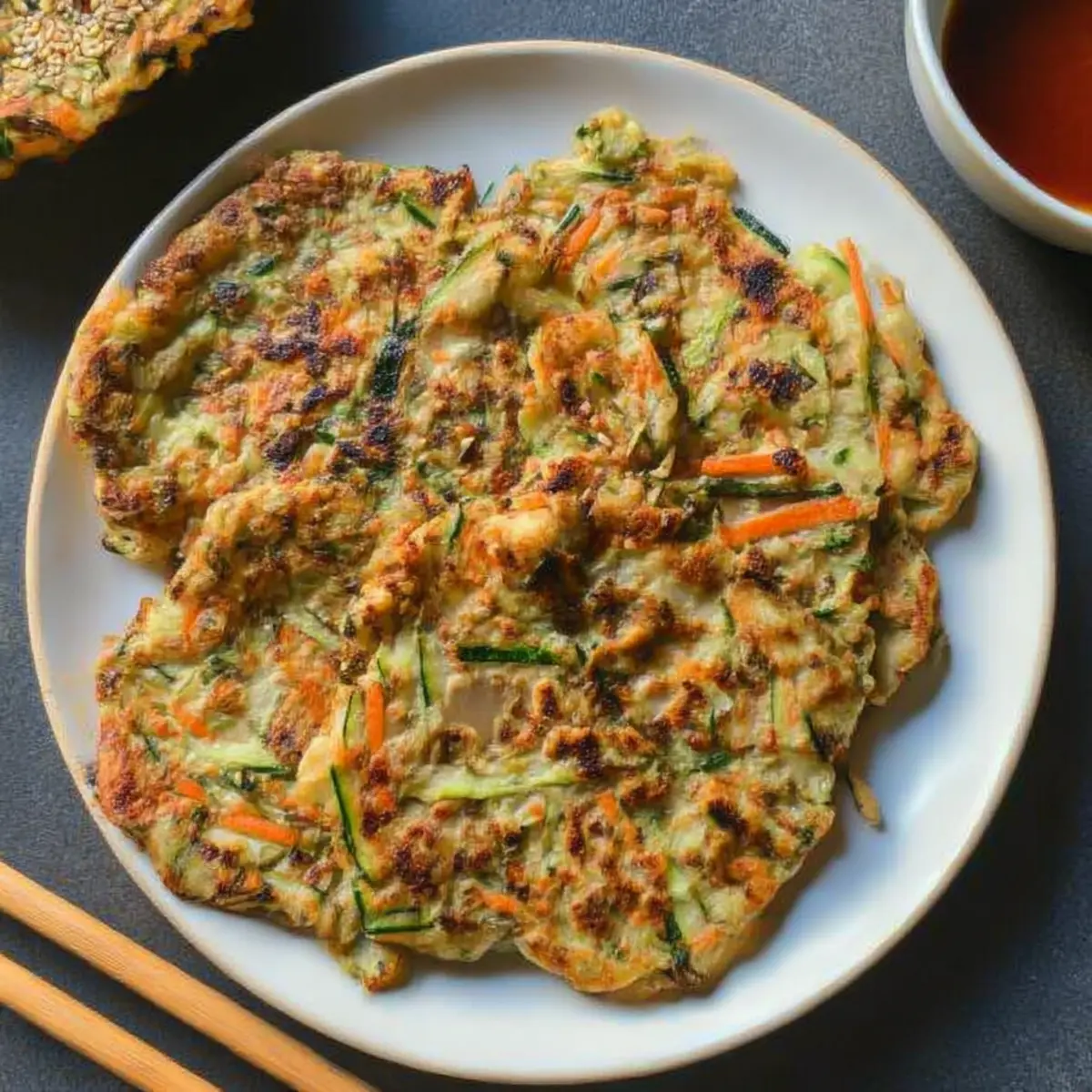
What to Serve with Customizable Vegan Yachaejeon?
Elevate your dinner experience by pairing these crispy, savory pancakes with delightful sides that complement their vibrant flavors.
-
Fresh Side Salad: A light, tangy salad with mixed greens, cherry tomatoes, and a zesty dressing enhances the dish’s freshness. Sweet and crunchy, it balances the richness of the pancakes beautifully.
-
Vegan Kimchi: This spicy, fermented side dish adds a robust kick that perfectly contrasts the mild flavors of the Yachaejeon. The probiotic goodness of kimchi also supports digestion, making it a healthy addition.
-
Gochujang Dipping Sauce: A rich, spicy-sweet sauce enhances each bite of the Korean vegetable pancakes, creating a delicious harmony of flavors. Drizzling it over the pancakes adds an extra layer of excitement.
-
Crispy Tofu Bites: Lightly fried or baked, crispy tofu provides protein and a satisfying crunch. Toss them in a sesame sauce for an added umami kick, making your plate a nutritional powerhouse.
-
Savory Miso Soup: A warm, comforting bowl of miso soup adds a traditional Japanese touch to your meal. Its umami flavor beautifully complements the texture of Yachaejeon.
-
Grilled Steamed Vegetables: Seasonal grilled vegetables add a smoky flavor while keeping the meal light and nutritious. Their charred essence lends depth to the overall experience.
-
Chilled Soba Noodles: Lightly dressed soba noodles provide a refreshing contrast, while their nutty flavor complements the pancakes. Toss with veggies and sesame for an appealing side.
-
Fruit Sorbet: Cool off your palate with a fruit sorbet, such as mango or raspberry. The sweetness balances the savory notes, rounding out your meal beautifully.
-
Flavored Iced Tea: An iced hibiscus tea or lemon mint blend adds a refreshing drink option that cleanses the palate, making each bite of Yachaejeon burst with flavor.
Each pairing brings something special to the table, creating a meal that’s as satisfying as it is harmonious.
Expert Tips for Korean Vegetable Pancakes
Preheat Your Pan: Ensure the non-stick pan is well-heated to achieve that perfect crispy texture. A cold pan will lead to soggy pancakes.
Thin is Best: Spread the batter thinly to allow for even cooking and maximum crispiness. Thick pancakes may remain soggy inside.
Vegetable Prep: Make sure to cut your vegetables uniformly. This helps them cook evenly, creating a delightful texture in every bite of your Korean vegetable pancakes.
Adjust the Consistency: If the batter is too thick due to the moisture from your veggies, add a little more water or flour to balance. A proper batter consistency is vital for the final result.
Don’t Overcrowd the Pan: When cooking, give each pancake enough space. Overcrowding can lead to steaming instead of frying, which hinders that desired crispiness.
Storage Tips: Keep any leftover pancakes in an airtight container; reheat in the oven for an excellent crunch before serving again.
Korean Vegetable Pancakes: Fun Variations
Feel free to play around with the ingredients for these delightful pancakes and discover your own flavor combinations!
-
Vegetable Medley: Mix and match vegetables like bell peppers, spinach, or even mushrooms for different tastes each time.
-
Herb-Infused: Add fresh herbs such as cilantro, basil, or parsley into the batter for a fragrant twist. They’ll brighten up the flavors and make each bite even more delightful.
-
Spicy Kick: Stir in some chopped jalapeños or a spoonful of gochujang for a spicy variant that’ll tingle your taste buds.
-
Crispy Texture: For an extra crunch, consider adding crushed cornflakes or even chickpea flour into your batter which enhances both texture and taste.
-
Cheesy Delight: If you’re not strictly vegan, sprinkle in some grated cheese for added richness. A vegan cheese can be a fantastic substitute too!
-
Sweet Potato Flour: Replace all-purpose flour with sweet potato flour for a unique flavor and gluten-free option that pairs beautifully with the veggies.
-
Asian Fusion: Incorporate sesame oil or soy sauce into your dipping sauce for a more intense umami experience. Serve alongside Korean Ground Beef for a delicious combination!
-
Nutty Flavor: Fold in some finely chopped walnuts or almonds for added crunch and a nutty flavor that complements the freshness of the vegetables.
How to Store and Freeze Korean Vegetable Pancakes
Fridge: Store cooked Korean vegetable pancakes in an airtight container for up to 1-2 weeks. Layer parchment paper between pancakes to prevent sticking.
Freezer: For longer storage, freeze pancakes in a single layer on a baking sheet, then transfer to an airtight freezer bag. They can be kept frozen for up to 3 months.
Reheating: Reheat thawed pancakes in a preheated oven at 375°F (190°C) for about 10-15 minutes, or until crispy. Alternatively, place in a hot skillet for 3-4 minutes on each side.
Make Ahead: You can prepare the batter in advance and store it in the fridge for up to a day, but use it for cooking pancakes within that timeframe for the best texture.
Make Ahead Options
These Korean Vegetable Pancakes are ideal for meal prep, allowing you to create a delicious dish with minimal fuss during the week! You can prepare the batter—mixing the dry ingredients with water—up to 24 hours in advance; simply store it in the refrigerator to maintain freshness. Additionally, chop or shred your vegetables (zucchini, sweet potato, carrots, onions, and scallions) and store them in an airtight container for up to 3 days. When you’re ready to cook, just combine the veggies into the batter, fry them up, and enjoy restaurant-quality pancakes that are just as delicious as when freshly made!
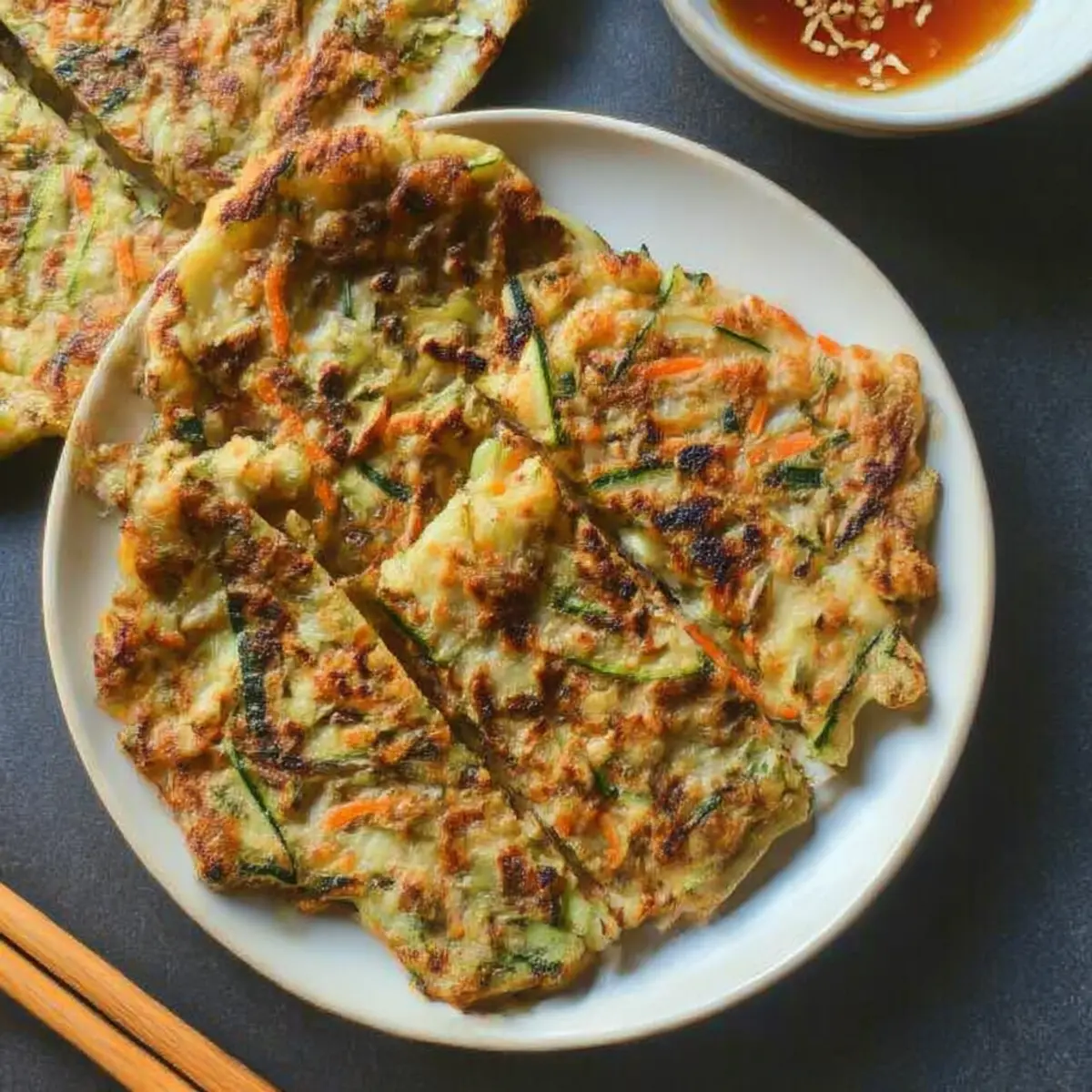
Korean Vegetable Pancakes Recipe FAQs
What vegetables work best for Yachaejeon?
Absolutely! You can customize Korean vegetable pancakes with a variety of veggies. Popular choices include zucchini, sweet potatoes, carrots, bell peppers, and even mushrooms. The key is to cut them into thin matchsticks or small pieces to ensure even cooking and a delightful texture.
How long can I store cooked Korean vegetable pancakes?
Store your cooked pancakes in an airtight container in the fridge for up to 1-2 weeks. I recommend layering parchment paper between pancakes to prevent them from sticking together and ensure they stay crispy!
Can I freeze my Korean vegetable pancakes?
Very much! To freeze, arrange the pancakes in a single layer on a baking sheet so they don’t stick together. Once frozen (about 1-2 hours), transfer them into an airtight freezer bag. They will keep well for up to 3 months. When you’re ready to eat, thaw and reheat them in the oven for a crispy result.
What if my pancakes turn out soggy?
If that happens, don’t worry! The main culprit is often either too thick of a batter or too much moisture from your vegetables. Make sure to spread the batter thinly in the pan and ensure your pan is well-heated. If using particularly watery vegetables, squeeze out excess moisture before adding them to the batter.
Are Korean vegetable pancakes vegan and gluten-free?
Indeed! Yachaejeon is completely vegan and, with the substitution of gluten-free flour, you can easily make it gluten-free as well. Just check the baking powder you use, as some might contain gluten. It’s a wonderful option for those with dietary restrictions!
Can I make the batter ahead of time?
Certainly! You can prepare your batter in advance and store it in the fridge for up to 24 hours. Just remember to give it a good stir before cooking, as some ingredients may settle or thicken during storage. Enjoy your cooking adventure with these delicious Korean vegetable pancakes!
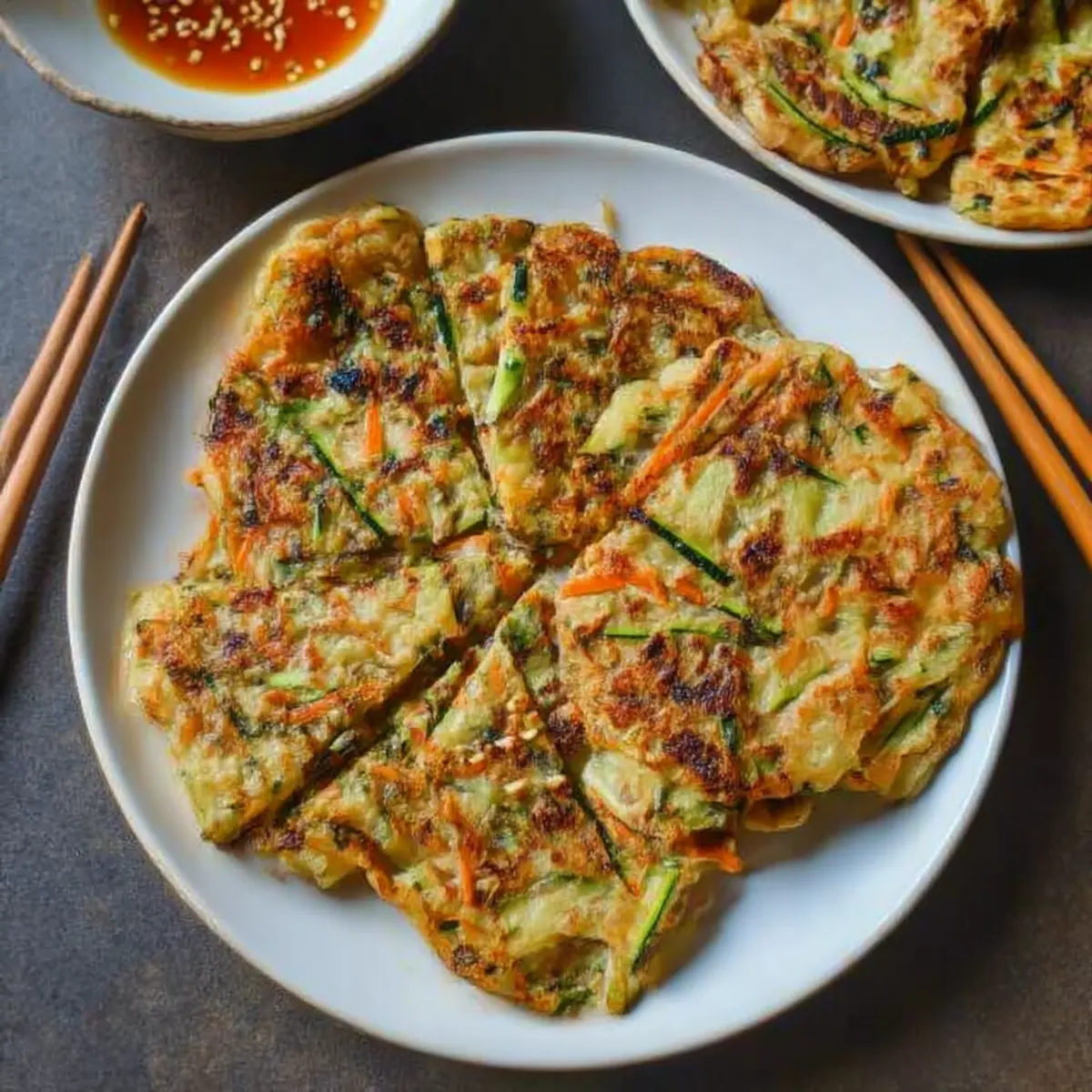
Crispy Korean Vegetable Pancakes for a Healthy Delight
Ingredients
Equipment
Method
- In a large mixing bowl, combine all the dry ingredients: all-purpose flour, baking powder, corn starch, salt, and turmeric. Mix well with a whisk to ensure there are no lumps. Gradually pour in room temperature water, stirring continuously until you achieve a thick, smooth batter.
- Once your batter is ready, incorporate the prepared vegetables (zucchini, sweet potato, carrot, onion, and scallions) into the batter and gently fold until evenly coated.
- Preheat a non-stick frying pan over medium-high heat and add a generous amount of neutral oil, ensuring the pan is well-coated.
- Spoon a ladleful of batter onto the hot pan, spreading it out into a thin circle. Cook for 4-5 minutes, until the edges look dry and the underside is golden brown.
- Carefully flip the pancake using a spatula and cook for an additional 3-4 minutes, checking for a crispy and golden exterior.
- Remove the cooked pancake from the pan and place it on a cooling rack or plate lined with paper towels to absorb excess oil. Repeat with the remaining batter.
Leave a Reply