
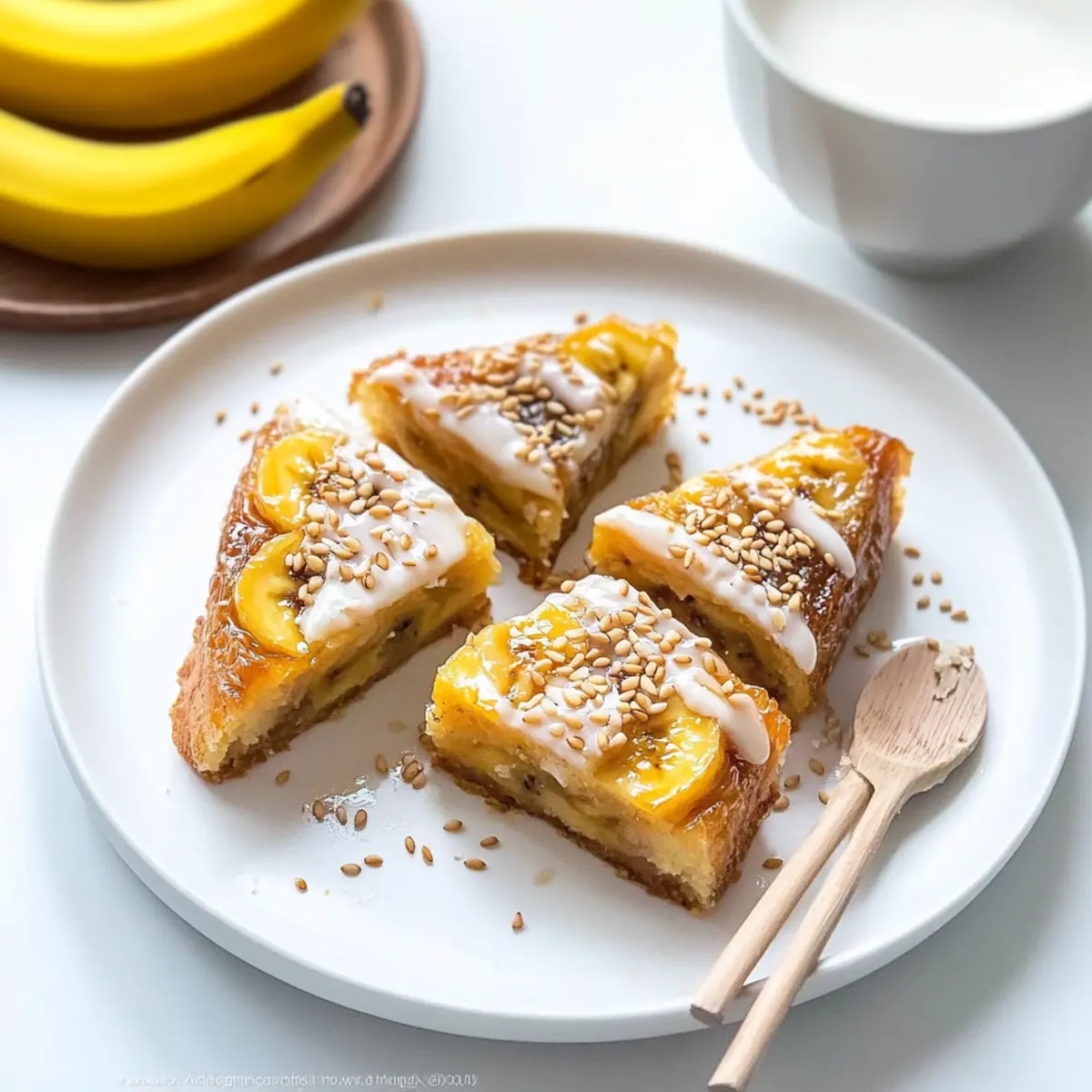
As I stood by the steamer, the sweet aroma of ripe bananas enveloped my kitchen, taking me back to vibrant streets of Vietnam where this beloved dessert is cherished. Vietnamese Steamed Banana Cake, known as Banh Chuoi Hap, is a gluten-free delight that not only satisfies your sweet tooth but also aligns with healthy eating practices. With its chewy texture and simple, wholesome ingredients, this dessert is a quick fix for those yearning to swap out fast food cravings for something more nourishing and homemade. Plus, it’s entirely dairy-free and vegan, making it a guilt-free indulgence for everyone at the table. Curious about creating this fragrant treat and learning how to perfect the silky coconut sauce that accompanies it? Let’s dive in!
Why is Vietnamese Steamed Banana Cake special?
Flavorful and Fragrant: With ripe bananas and a hint of cinnamon, this cake fills your kitchen with an irresistible aroma.
Quick and Easy: In just a few steps, you’ll have a delightful dessert ready to indulge in, perfect for busy evenings.
Guilt-Free Indulgence: Being gluten-free, dairy-free, and vegan ensures that everyone can enjoy this treat without compromise.
Coconut Bliss: The creamy coconut sauce elevates the cake to another level, making each bite a tropical escape.
Versatile: Get creative with toppings! Pair it with fresh fruit or serve alongside a scoop of non-dairy ice cream for an unforgettable experience, just like with our Carrot Cream Cake or a slice of Coffee Cake Cozy.
This captivating dessert not only satisfies sweet cravings but also brings a unique cultural taste to your table!
Vietnamese Steamed Banana Cake Ingredients
Dive into the vibrant flavors of Vietnamese Steamed Banana Cake and discover just how easy this delightful treat can be!
For the Cake
- Pisang Awak Bananas – These ripe bananas provide the natural sweetness that is essential for a rich flavor; avoid overripe ones to prevent a mushy texture.
- Light Brown Sugar – It adds rich sweetness while enhancing the cake’s lovely golden hue; feel free to swap in regular granulated sugar if needed.
- Tapioca Starch (Flour) – This is key for creating that signature chewy texture; opt for a fine, light variety, ideally from Vietnamese or Thai brands.
- Rice Flour – Essential for structure and texture, look for a fine grade, preferably sourced from Asian grocery stores.
- Salt – A little pinch enhances the sweetness beautifully and rounds out the overall flavor profile.
- Cinnamon Powder – This optional touch brings warmth and depth, making every bite more aromatic and flavorful.
- Water – The right amount of water hydrates the batter for a smooth consistency, so measure carefully for the best results.
For the Coconut Sauce
- Canned Coconut Milk – This forms the indulgent sauce that complements the cake perfectly; choose high-quality brands like Aroy-D for a richer flavor.
- Cornstarch – Helps thicken the coconut sauce to the desired consistency; it’s best combined with a bit of water to create a slurry before adding.
For Garnishing
- Toasted Sesame Seeds – Sprinkle these on top for a nutty crunch that beautifully contrasts the cake’s chewy texture; they’re optional, but delightful!
Now that you have all your ingredients ready, let’s embark on creating this satisfying dessert that promises deliciousness with every bite of Vietnamese Steamed Banana Cake!
Step‑by‑Step Instructions for Vietnamese Steamed Banana Cake
Step 1: Prepare Bananas
Start by thinly slicing your ripe Pisang Awak bananas and placing them in a mixing bowl. Sprinkle with light brown sugar, ensuring all slices are coated evenly. Let this mixture marinate for 20-30 minutes, which will enhance the sweetness and flavor of the bananas, making your Vietnamese Steamed Banana Cake wonderfully delicious.
Step 2: Mix Dry Ingredients
In a separate large bowl, combine the tapioca starch, rice flour, salt, and optional cinnamon powder. Whisk together until thoroughly blended, ensuring there are no lumps. This mixture forms the foundation of your cake’s chewy texture. Keep this bowl set aside while you prepare the wet ingredients for your batter.
Step 3: Create Batter
Slowly pour in the measured water into the dry ingredients while stirring gently until you achieve a smooth batter. Next, fold in the marinated banana slices, making sure to reserve some for topping later. The batter should be somewhat thick yet pourable; this consistency is important for the perfect Vietnamese Steamed Banana Cake.
Step 4: Prepare Steamer
Set up your steamer by bringing water to a gentle boil in the bottom pot. To prevent condensation from dripping onto your cake, wrap the lid in a clean kitchen towel. Ensure you have your cake mold ready and lightly greased. This step will help attain the desired moist texture during steaming.
Step 5: Steam Cake
Pour the banana batter evenly into your greased mold, then layer the reserved banana slices on top for an attractive finish. Carefully place the mold into the steamer and cover with the prepared lid. Steam over medium heat for 25-30 minutes until the cake appears firm, translucent, and a toothpick inserted comes out clean.
Step 6: Cool & Serve
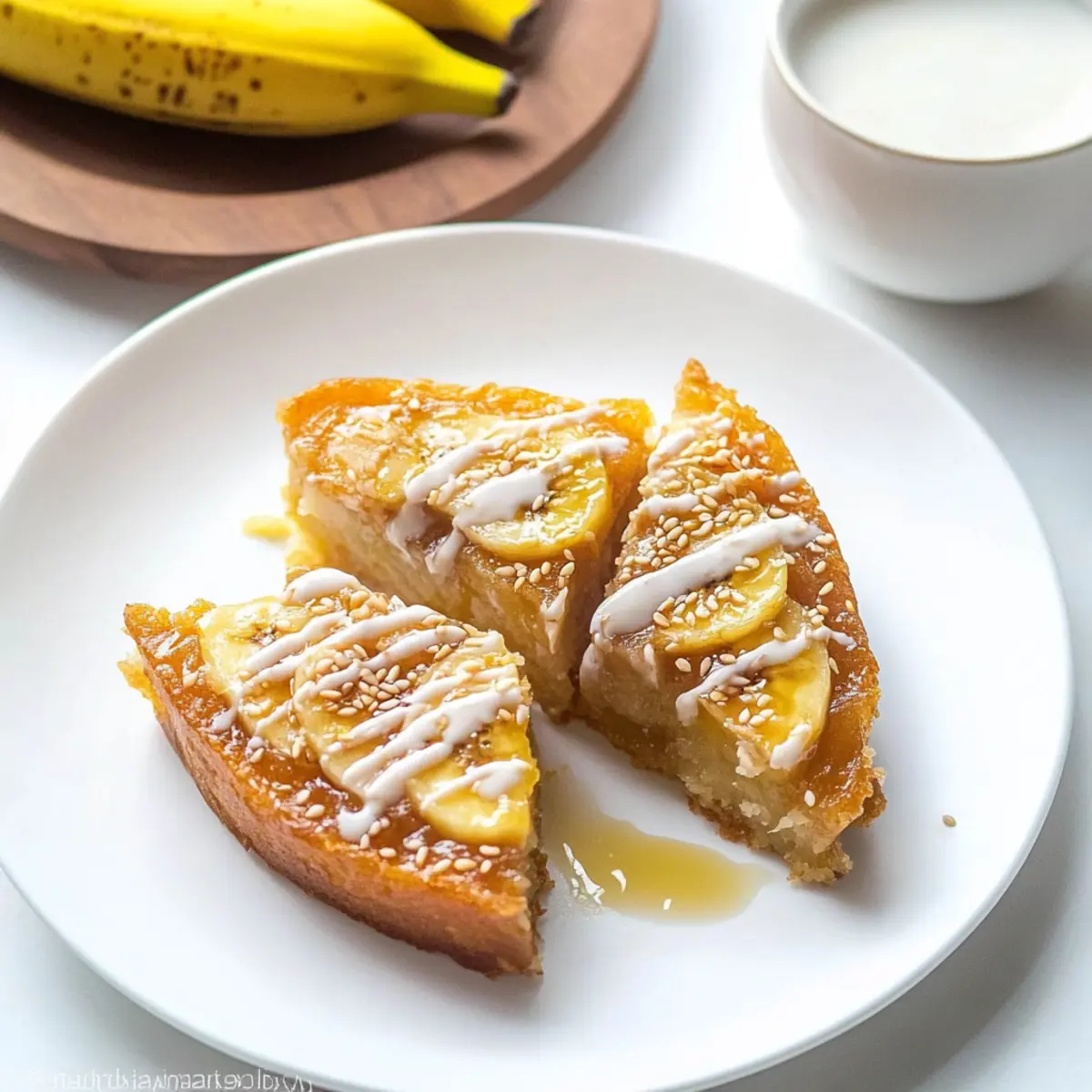
Once cooked, carefully remove the mold from the steamer and let the cake cool slightly. After about 10 minutes, slice the Vietnamese Steamed Banana Cake into portions. Serve it warm drizzled with the creamy coconut sauce and sprinkle with toasted sesame seeds for added texture and flavor.
Step 7: Make Coconut Sauce
While the cake is steaming, prepare the coconut sauce by gently heating canned coconut milk in a saucepan. Stir in a pinch of salt and light brown sugar, then thicken with a cornstarch slurry made by mixing cornstarch with a little water. Continuously whisk until the sauce reaches your desired thickness, ensuring a delightful complement to the cake.

Vietnamese Steamed Banana Cake Variations
Invite your creativity into the kitchen and discover delicious twists to enhance this delightful dessert!
- Sweetener Swap: Replace light brown sugar with coconut sugar for a unique flavor and whole-food twist.
- Coconut Infusion: Stir in some grated coconut to the batter for extra texture and rich coconut flavor that will transport you to tropical shores.
- Fruit Additions: Fold in fresh blueberries or chopped mango for a fruity burst that complements the bananas beautifully.
- Spice it Up: Add a pinch of nutmeg or cardamom alongside the cinnamon for an aromatic warmth that excites your palate.
- Texture Variation: For a crunchy topping, sprinkle chopped nuts like almonds or walnuts on top before steaming; it adds a surprise element to every bite.
- Ice Cream Pairing: Serve warm slices with a scoop of coconut ice cream for a decadent experience, much like the indulgent Dubai Chocolate Cake.
- Savory Contrast: Try serving alongside a small portion of toasted coconut cream or yogurt to balance the sweetness, creating an unexpected but delightful flavor combo.
- Layered Delight: Transform into a multi-layered treat by pairing your cake with layers of fresh whipped coconut cream, as seen in our amazing Bee Sting Cake to elevate your dessert game!
With these simple variations, you can tailor your Vietnamese Steamed Banana Cake to suit any mood or occasion, delighting everyone at your table!
Make Ahead Options
These Vietnamese Steamed Banana Cakes are perfect for busy home cooks looking to save time without sacrificing flavor! You can prepare the banana batter and refrigerate it for up to 24 hours; just remember to cover it tightly to keep it fresh and prevent browning. Additionally, the coconut sauce can be made ahead and stored in the refrigerator for up to 3 days—just reheat gently before serving. When you’re ready to enjoy your cake, simply pour the batter into the mold and steam as directed; it’ll turn out just as delicious as if you had made it fresh. This way, you can treat your family to a delightful dessert without the last-minute rush!
How to Store and Freeze Vietnamese Steamed Banana Cake
-
Room Temperature: Allow the cake to cool completely before storing it. It can be kept at room temperature for up to 2 days, wrapped in parchment paper or kept in an airtight container.
-
Fridge: For longer freshness, refrigerate the cake in an airtight container for up to 5 days. This helps maintain its soft texture and flavors.
-
Freezer: If you want to enjoy your Vietnamese Steamed Banana Cake later, wrap slices tightly in plastic wrap and foil or use freezer bags to prevent freezer burn. It can be frozen for up to 3 months.
-
Reheating: To warm, simply microwave individual slices for about 20-30 seconds until heated through, or gently steam them for a minute for that freshly made taste.
What to Serve with Vietnamese Steamed Banana Cake
As you delight in the warm, chewy goodness of this decadent dessert, consider some wonderful accompaniments that will elevate your dining experience.
- Creamy Coconut Rice: Serve it alongside for a delightful balance of flavors and textures that enhances the tropical element of the dessert.
- Fresh Mango Slices: The natural sweetness and juiciness of mango adds a refreshing contrast that brightens every bite.
- Tropical Fruit Salad: A medley of colorful fruits like kiwi, papaya, and pineapple will complement the banana cake’s flavors beautifully. This vibrant dish adds an appealing visual touch as well!
- Coconut Sorbet: A light, dairy-free frozen treat that enhances the coconut theme while offering a delightful chill against the warm cake.
- Thai Iced Tea: The sweet and fragrant notes of this tea pair nicely with the cake, providing an exotic beverage option to cap off your meal.
- Chai Tea: A warm cup of chai, with its aromatic spices, balances the sweetness of the dessert while creating a cozy atmosphere at your table.
- Toasted Almonds: Sprinkling these on top of the cake provides a nutty crunch that complements the soft texture—delightful in every bite!
- Plant-Based Whipped Cream: A dollop of airy coconut or almond whipped cream adds an extra layer of decadence and a beautiful finish to the cake.
- Boba Tea: This fun, chewy drink can add texture to your dessert experience, giving a playful twist to your foodie adventure.
Expert Tips for Vietnamese Steamed Banana Cake
- Choose Wisely: Use Pisang Awak bananas for the best flavor; avoid overripe ones to prevent a mushy texture in your Vietnamese Steamed Banana Cake.
- Perfect Flour Selection: Opt for fine tapioca and rice flour from Asian brands to ensure the signature chewy texture; this is crucial for a delectable result.
- Steaming Check: Steam time can vary, so test doneness with a toothpick; it should come out clean to confirm your cake is cooked through.
- Towel Trick: Prevent condensation from dripping on the cake by wrapping the steamer lid with a clean towel during cooking.
- Creative Variations: Experiment with different sweeteners like coconut sugar or add grated coconut to the batter for an exciting twist on the traditional recipe.

Vietnamese Steamed Banana Cake (Banh Chuoi Hap) Recipe FAQs
What type of bananas should I use for the cake?
Absolutely! For the best results, use Pisang Awak bananas, which have the ideal sweetness and texture. Make sure they are just ripe; overripe bananas may lead to a mushy cake, which we want to avoid.
How should I store leftovers of the Vietnamese Steamed Banana Cake?
To store leftovers, let the cake cool completely. You can keep it at room temperature for up to 2 days wrapped in parchment paper. For longer storage, place it in an airtight container in the fridge where it will stay fresh for up to 5 days.
Can I freeze the Vietnamese Steamed Banana Cake?
Certainly! If you want to save some for later, wrap slices tightly in plastic wrap and then foil, or place them in freezer bags. This method prevents freezer burn, and you can enjoy it for up to 3 months. When you’re ready to eat, simply microwave a slice for 20-30 seconds or steam for a minute to revive its softness.
What should I do if the cake is too moist?
If you find your Vietnamese Steamed Banana Cake too moist, it may be because of using too many overripe bananas or not steaming it long enough. Ensure the bananas are just ripe, and always perform a toothpick test after steaming to ensure it comes out clean. This confirms that the cake has cooked thoroughly.
Can I make any substitutions for dietary needs?
Very much so! If you’re looking for alternatives, you can use regular granulated sugar instead of light brown sugar without losing flavor. For the coconut sauce, opt for unsweetened almond or soy milk combined with a bit of coconut extract for a nut-free option. Just make sure the alternatives align with your dietary restrictions.
How do I know if my tapioca and rice flours are the right type?
It’s very important to select fine, light tapioca and rice flour, ideally from Asian brands. The texture should be smooth and powdery, resembling talcum powder. This ensures the cake achieves its signature chewy consistency. If you’re unsure, always check labels for recommendations, or visit an Asian grocery store for the best options.
Delicious Vietnamese Steamed Banana Cake Blissfully Vegan
Ingredients
Equipment
Method
- Start by thinly slicing your ripe Pisang Awak bananas and placing them in a mixing bowl. Sprinkle with light brown sugar, ensuring all slices are coated evenly. Let this mixture marinate for 20-30 minutes.
- In a separate large bowl, combine the tapioca starch, rice flour, salt, and optional cinnamon powder. Whisk together until thoroughly blended.
- Slowly pour in the measured water into the dry ingredients while stirring gently until you achieve a smooth batter. Fold in the marinated banana slices, reserving some for topping later.
- Set up your steamer by bringing water to a gentle boil. Wrap the lid with a clean kitchen towel to prevent condensation from dripping.
- Pour the banana batter evenly into your greased mold and layer the reserved banana slices on top. Carefully place the mold into the steamer and cover with the lid. Steam for 25-30 minutes.
- Once cooked, carefully remove the mold from the steamer and let the cake cool slightly for about 10 minutes. Slice and serve warm with coconut sauce and toasted sesame seeds.
- Prepare the coconut sauce by gently heating canned coconut milk in a saucepan. Stir in salt and light brown sugar, then thicken with a cornstarch slurry, whisking until the desired thickness is reached.
Leave a Reply