
The first crunch of fresh veggies has a way of transporting me straight to my favorite Japanese izakaya. Today, I’m excited to share my Quick and Crunchy Asazuke (Japanese Pickled Cabbage) recipe, a delightful side dish that’s as vibrant as it is easy to whip up. With just a few ingredients and only hours of waiting, you’ll have a bright, salty, and refreshing accompaniment that elevates any meal. This version not only emphasizes the umami richness of napa cabbage, but it also allows for creativity with seasonal vegetables. Plus, it’s a healthy, crowd-pleasing addition that fits beautifully into any diet. Are you ready to transform everyday greens into something extraordinary? Let’s dive into this simple yet flavorful recipe!
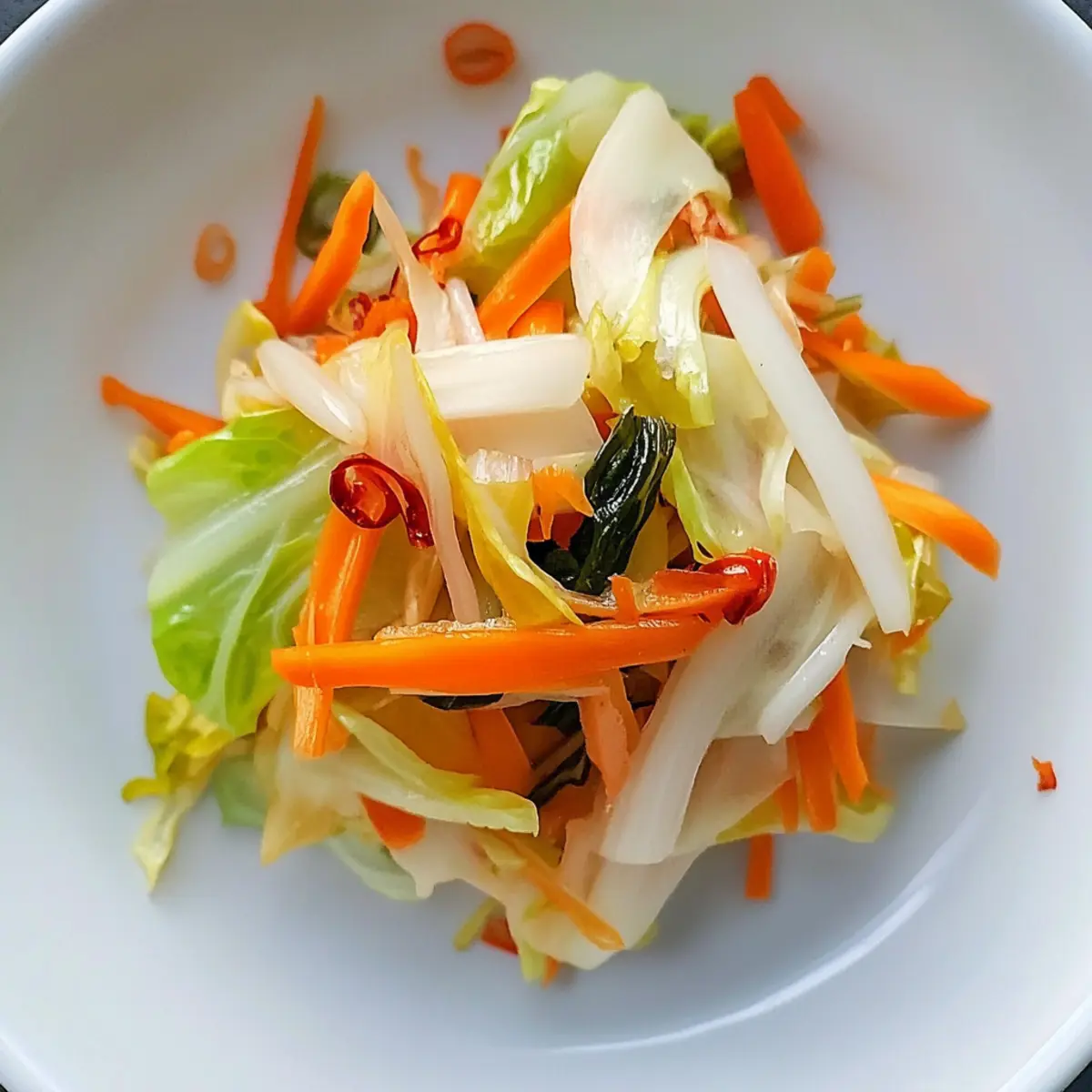
Why is Asazuke a Must-Try?
Freshness is at the heart of Asazuke, making it an incredibly vibrant side dish that revitalizes any plate. Quick Preparation makes this recipe perfect for busy nights; simply whip it up and let it pickle. Versatile Varieties allow you to use seasonal veggies, from napa cabbage to radishes, accommodating every palate. Healthful Benefits make it a guilt-free addition to meals, bringing fiber and vitamins A and C to the table. Plus, it’s crowd-friendly, impressing both family and guests alike with its unique flavors. If you’re looking for more quick side dishes, check out our easy pickles collection!
Asazuke (Japanese Pickled Cabbage) Ingredients
For the Pickles
• Napa Cabbage – The star ingredient that provides a crunchy base; feel free to substitute with daikon radish or Japanese cucumbers for a twist.
• Carrots – Adds a touch of sweetness and vibrant color; radishes or bell peppers work well as alternatives.
• Scallions – Imparts a mild onion flavor; chives can serve as a great substitute.
• Ginger – Delivers a spicy, aromatic edge; fresh ginger is best, but minced garlic is a good replacement if needed.
• Salt – Crucial for drawing moisture from the vegetables; opt for kosher salt to avoid the iodized taste of table salt.
• Dried Chili Peppers – Brings a hint of heat; feel free to omit for a milder flavor or swap for fresh chilies.
• Kombu – Boosts the umami flavor in the mix; can be replaced with other seaweeds or omitted for a vegetarian option.
Step‑by‑Step Instructions for Asazuke (Japanese Pickled Cabbage)
Step 1: Prepare the Vegetables
Begin by washing the napa cabbage thoroughly, then cut it into 2-inch pieces for a perfect bite. Next, julienne the carrots to enhance their sweetness and vibrant color. Chop the scallions and mince the ginger finely, ensuring that all these vegetables are fresh and ready to take on their pickling journey.
Step 2: Calculate Salt
To achieve the ideal balance of seasoning, weigh the total weight of your prepared vegetables. Multiply this weight by 0.03 to determine the precise amount of salt needed for your Asazuke (Japanese Pickled Cabbage). This ensures that the vegetables will retain their crunch while absorbing that delightful salty flavor.
Step 3: Mix and Bruise
In a large zip-top bag, combine the sliced napa cabbage, carrot, scallions, minced ginger, and the calculated salt. For an extra kick, toss in dried chili peppers and kombu. Seal the bag, then gently bruise the vegetables with your hands to help distribute the salt evenly, allowing the juices to begin releasing.
Step 4: Seal and Compress
Once everything is mixed, remove as much air as possible from the zip-top bag and seal it tightly. Place the bag on a tray and weigh it down with something heavy, like a few cans, to create pressure. This compression helps speed up the pickling process by enhancing moisture release, making your Asazuke even tastier.
Step 5: Pickle Time
Let your vegetable mixture sit at room temperature for 2-4 hours, or overnight in the refrigerator if you prefer a more intense flavor. During this time, the napa cabbage will become slightly translucent and tender, absorbing the flavors of the salt and aromatics fully, unlocking its vibrant essence.
Step 6: Store
After pickling, drain any excess brine from the mixture and transfer your Asazuke to an airtight container for safekeeping. This refreshing side dish is best enjoyed within 2-3 days to maintain its delightful crunch and vibrant taste, making it a perfect addition to your meals.
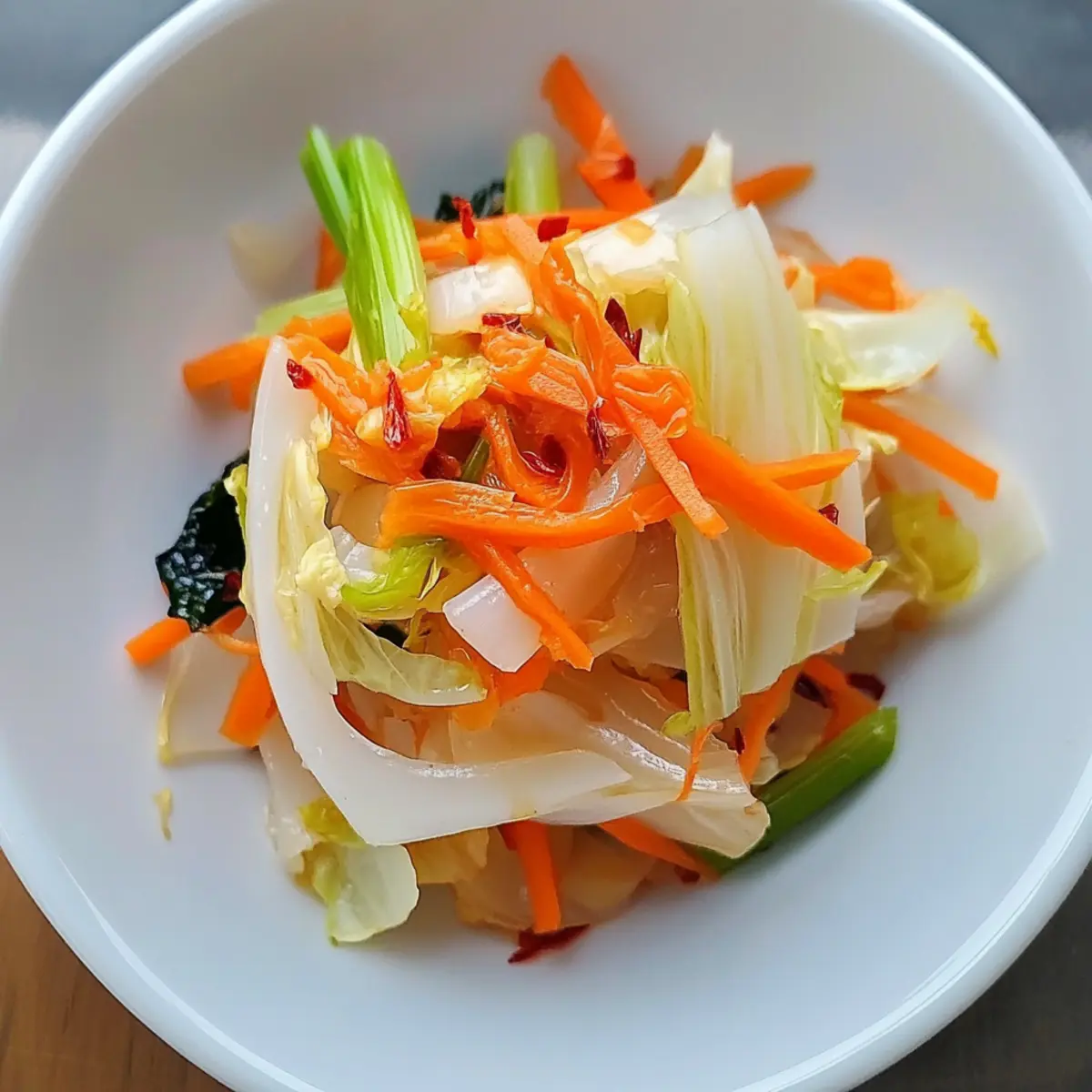
Asazuke (Japanese Pickled Cabbage) Variations
Feel free to let your creativity shine and customize this delightful recipe to suit your taste buds!
- Dairy-Free: Omit any dairy elements, like butter, to maintain a fresh, plant-based option while enjoying the pickled crunch.
- Spicy Kick: Add more dried chili peppers or even some fresh jalapeños for a fiery flavor that pairs beautifully with the crispness of the veggies.
- Herbaceous Touch: Toss in a handful of chopped fresh herbs, such as basil or cilantro, to introduce a fragrant twist that complements the pickles.
- Crispy Texture: Include slices of radish or cucumber for an added crunch, giving your Asazuke a delightful textural contrast. It’s a refreshing surprise in every bite!
- Sweet Twist: Consider sprinkling in a small amount of sugar if you enjoy a sweet-and-sour profile, balancing the saltiness with a touch of sweetness.
- Juicy Boost: Incorporate grated pear or apple for a fruity aspect that brings a unique flavor layer while enhancing the dish’s freshness.
- Fermentation Option: For more depth, try lacto-fermenting your Asazuke by adding a little water and leaving it at room temperature longer—this adds tang and complexity.
- Seasonal Veggies: Use seasonal vegetables such as zucchini or asparagus for a delightful twist on the classic flavors. They create a seasonal vibe and complementary tastes!
Feel inspired to try these variations, or mix and match to discover your perfect Asazuke! Explore additional ideas in our collection of easy pickles.
Make Ahead Options
These Quick and Crunchy Asazuke (Japanese Pickled Cabbage) are perfect for meal prep enthusiasts looking to save time during busy weeknights! You can prepare the vegetables (napa cabbage, carrots, scallions, and ginger) up to 24 hours in advance by washing, cutting, and storing them in an airtight container in the refrigerator. When you’re ready to pickle, mix the prepped veggies with salt and any spices, bruising them gently to release their juices. Following this, compress the bag and let it sit at room temperature for 2-4 hours or overnight for enhanced flavor. Just remember to drain excess brine before serving to maintain that delightful crunch!
Expert Tips for Asazuke (Japanese Pickled Cabbage)
-
Optimal Veggie Selection: Choose firm, fresh vegetables for the best pickling results; wilting can lead to an undesirable texture.
-
Salt Accuracy: Use a kitchen scale to weigh your vegetables, ensuring you apply the correct salt amount for balance, enhancing your Asazuke flavor without overpowering it.
-
Compress Effectively: The compression step is crucial—use enough weight to truly press down on the vegetables, encouraging faster pickling and flavor absorption.
-
Taste as You Go: After pickling for a few hours, taste your Asazuke. If you prefer a stronger flavor, let it sit longer to develop that amazing umami punch.
-
Stay Fresh: To retain the crunchiness, consume your Asazuke within 2-3 days, ensuring you enjoy every crispy bite!
What to Serve with Quick and Crunchy Asazuke (Japanese Pickled Cabbage)
Enhancing your meal with vibrant, complementary flavors will take your dining experience to the next level.
- Steamed Jasmine Rice: This fluffy, aromatic rice absorbs the salty flavors of Asazuke, balancing the meal with a perfect neutral base.
- Grilled Teriyaki Chicken: The sweet and savory notes of teriyaki pair beautifully with the bright crunch of Asazuke, creating a delightful contrast of flavors.
- Miso Soup: A warm bowl of miso soup offers a cozy, umami-rich addition to your plate, enhancing the overall experience with its comforting warmth.
- Sautéed Green Beans: Crisp-tender green beans add texture, while earthy flavors complement the tanginess of Asazuke, making for a well-rounded meal.
- Tempura Vegetables: Lightly battered and fried vegetables provide a crispy counterpart, while their lightness harmonizes well with the refreshing pickled cabbage.
- Sake or Green Tea: Enjoy a glass of chilled sake or a cup of soothing green tea. Both beverages elevate the dining experience, underscoring the Japanese theme.
- Mochi Ice Cream: Conclude your meal on a sweet note with creamy mochi ice cream. Its delightful chewiness and flavor pair wonderfully with the zesty Asazuke.
- Japanese Potato Salad: Creamy potato salad with a hint of sweetness contrasts with the crispness of Asazuke, creating a wonderful textural play on your plate.
How to Store and Freeze Asazuke
Fridge: Keep your Asazuke in an airtight container in the refrigerator; best consumed within 2-3 days to maintain its delightful crunch and fresh flavor.
Room Temperature: Avoid leaving Asazuke at room temperature for more than a couple of hours; this can compromise its texture and safety.
Freezer: While not recommended, you can freeze Asazuke for up to 1 month, though the texture may change; ensure it’s well-wrapped to prevent freezer burn.
Reheating: There’s no need to reheat Asazuke; serve it cold as a refreshing, crunchy side dish to enhance your meals.
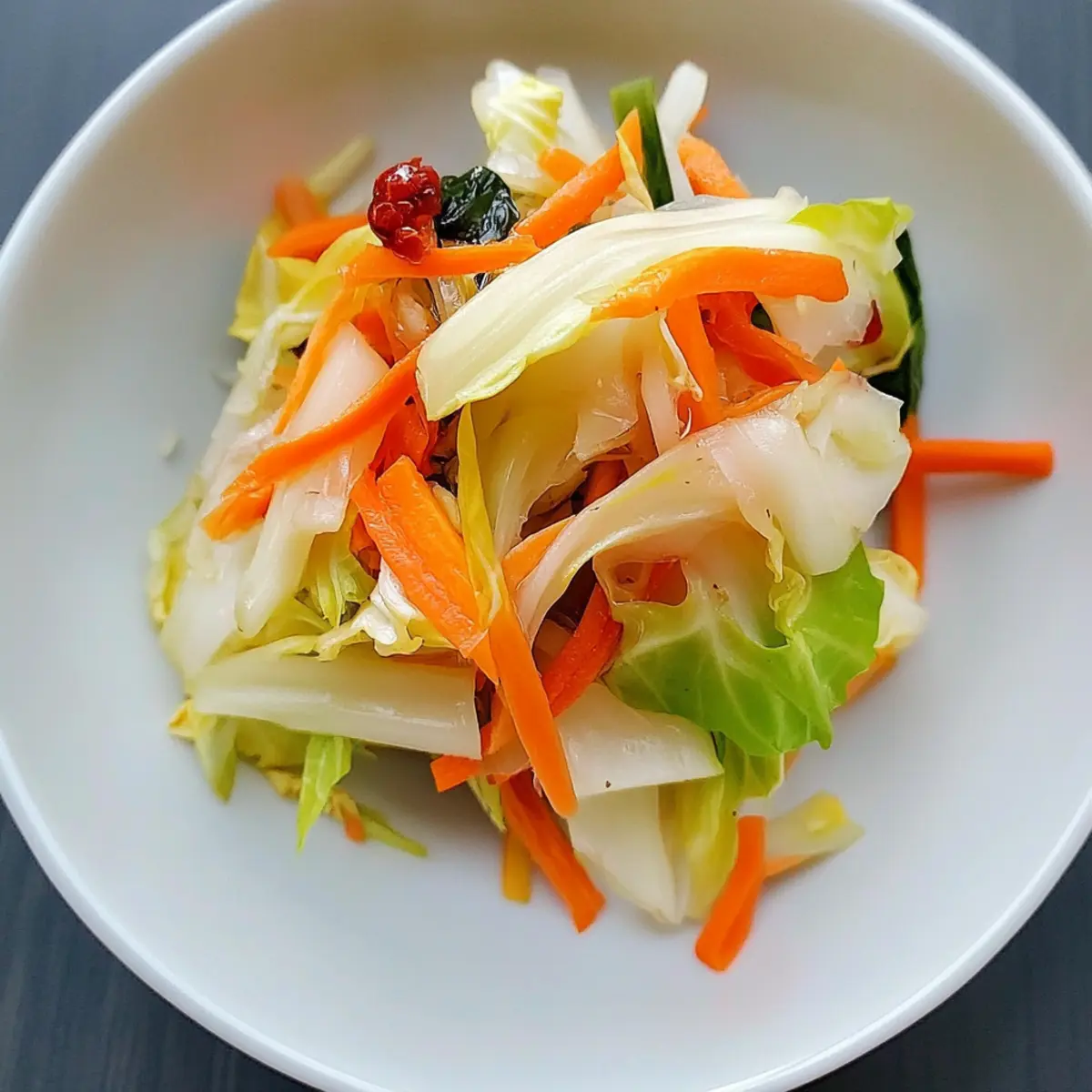
Asazuke (Japanese Pickled Cabbage) Recipe FAQs
What type of napa cabbage should I choose?
When selecting napa cabbage, look for heads that are firm and heavy with tightly packed leaves. Avoid any heads with dark spots or wilting leaves as they can affect the flavor and texture of your Asazuke (Japanese Pickled Cabbage). Freshness is key for that perfect crunch!
How should I store Asazuke, and how long will it last?
Store your Asazuke in an airtight container in the refrigerator for the best results. It’s best enjoyed within 2-3 days to maintain its delightful crunch and fresh flavor. Remember, the more air-tight the container, the better it will keep its vibrant taste and texture!
Can I freeze Asazuke for later use?
While freezing Asazuke is not the best option due to potential texture changes, you can freeze it for up to 1 month if needed. To do this, place it in a freezer-safe container or bag, ensuring it’s well-wrapped to prevent freezer burn. Just keep in mind, once thawed, the crunch might be less intense, but it can still serve as a flavorful component in dishes!
What should I do if my Asazuke turns out too salty?
If you find your Asazuke too salty, don’t worry! You can rinse the veggies gently under cold water to remove some of the excess salt. Then, repackage it without adding more salt to preserve its taste. In the future, remember to weigh your veggies accurately for the best seasoning results.
Are there any dietary considerations for this Asazuke recipe?
Yes, this Asazuke is vegetarian-friendly, but be cautious with the salt if you have high blood pressure or are on a sodium-restricted diet. Should any of your guests have allergies, ensure that all substitutions—such as using garlic instead of ginger or omitting chili peppers—are communicated clearly for safety. Always double-check labels on the ingredients for potential allergens.
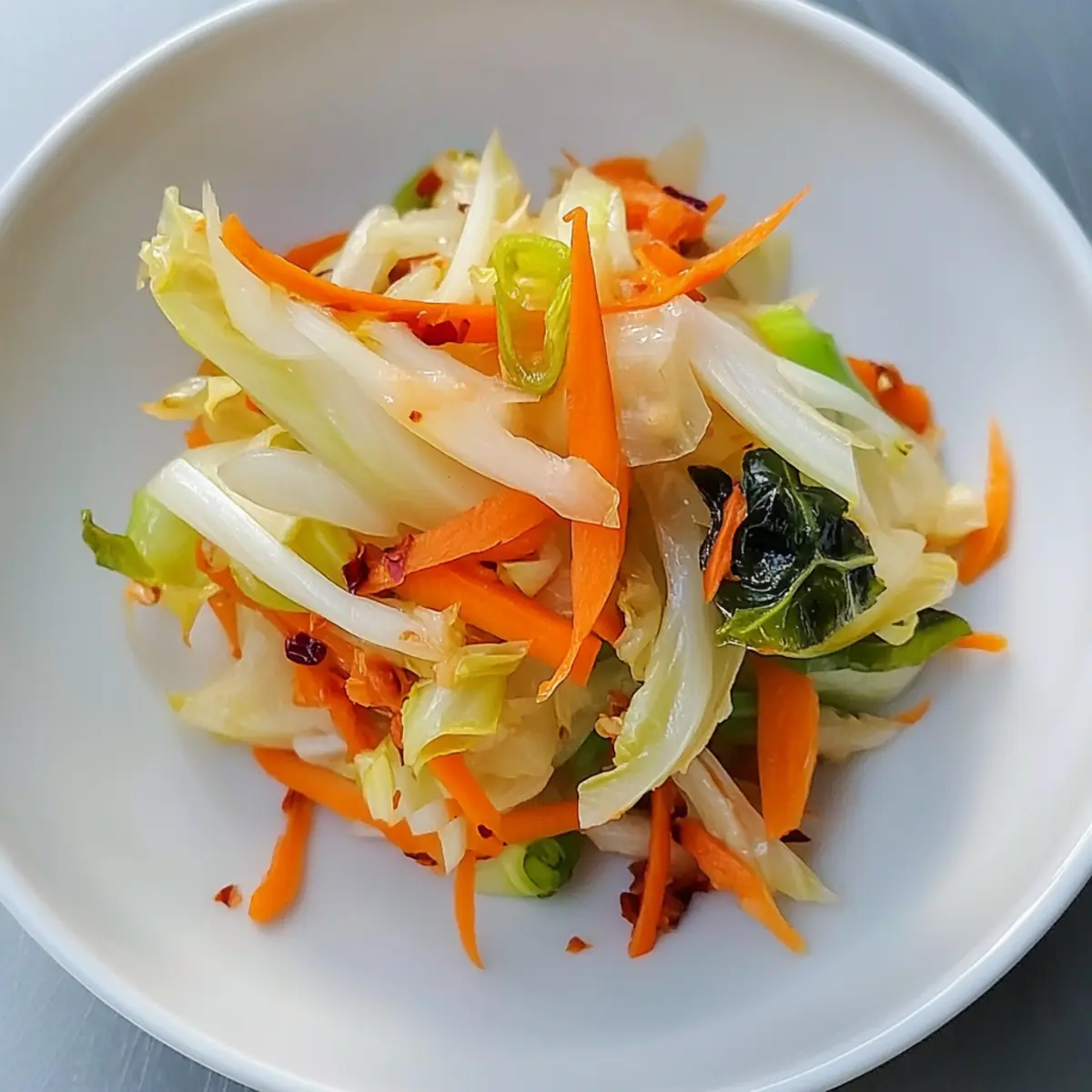
Crispy Asazuke (Japanese Pickled Cabbage) in Just Hours
Ingredients
Equipment
Method
- Prepare the Vegetables: Wash the napa cabbage thoroughly, cut it into 2-inch pieces, julienne the carrots, chop the scallions, and mince the ginger.
- Calculate Salt: Weigh total prepared vegetables and multiply by 0.03 to determine the salt needed.
- Mix and Bruise: In a large zip-top bag, combine napa cabbage, carrots, scallions, ginger, and calculated salt. Add chili peppers and kombu. Seal and gently bruise the vegetables.
- Seal and Compress: Remove air from the bag, seal tightly, and place on a tray with a weight to compress.
- Pickle Time: Let sit at room temperature for 2-4 hours or overnight in the refrigerator.
- Store: Drain excess brine and transfer Asazuke to an airtight container.
Leave a Reply