
As I rolled out my dough one sunny afternoon, the whole kitchen filled with the warm aroma of freshly baked bread in the making. This artisan pizza dough recipe is my secret weapon for crafting homemade pizzas that rival anything you’d find in a corner pizzeria. With its high hydration level, this dough results in a crisp, chewy crust that’s bursting with character—perfect for pizza nights or cozy gatherings. Not only is this recipe remarkably easy to follow, but it also allows for make-ahead convenience, letting you prepare the dough in advance, so you can focus on choosing your favorite toppings. Ready to elevate your pizza game? Let’s dive into creating a crust that you and your loved ones will crave time and again!
Why is this dough a game changer?
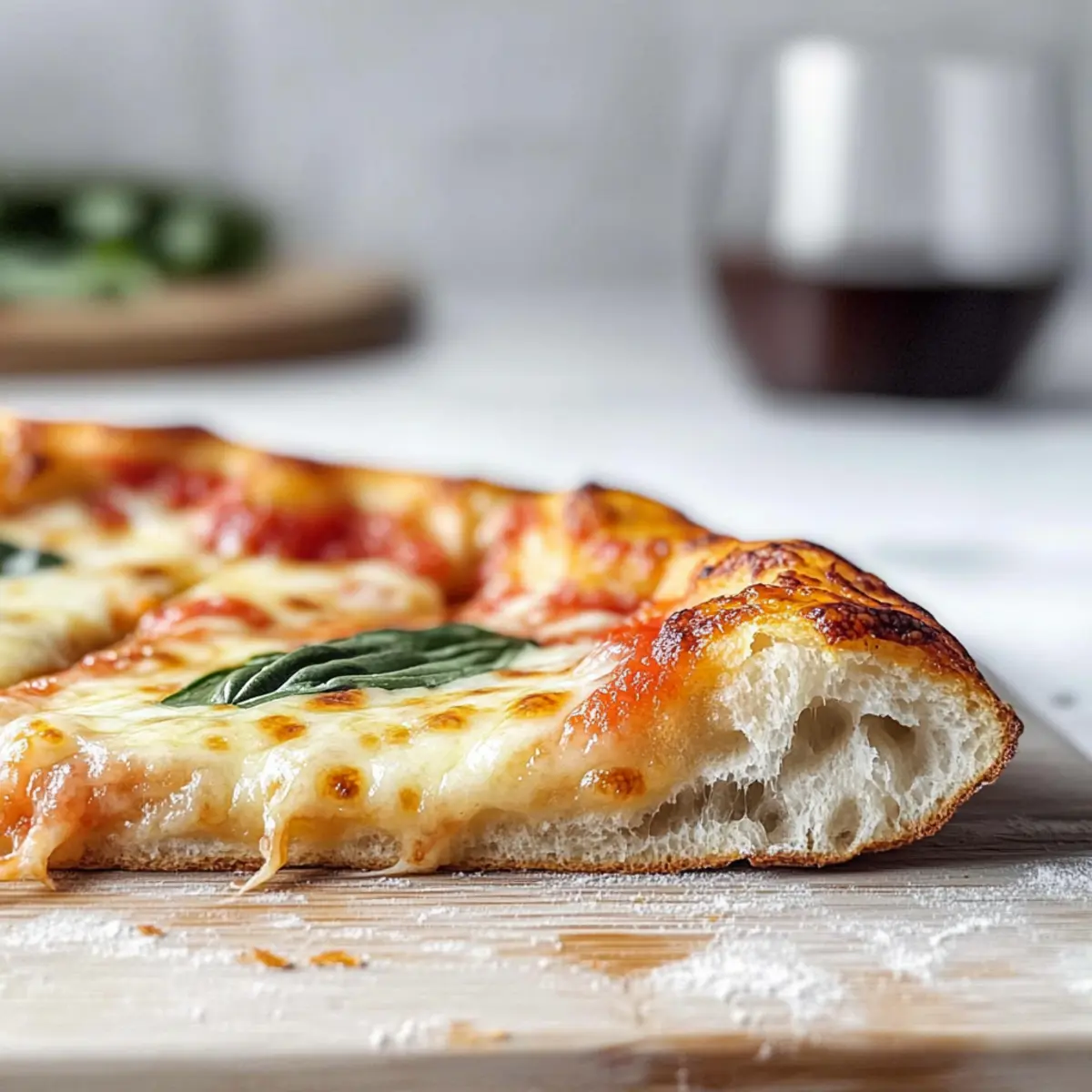
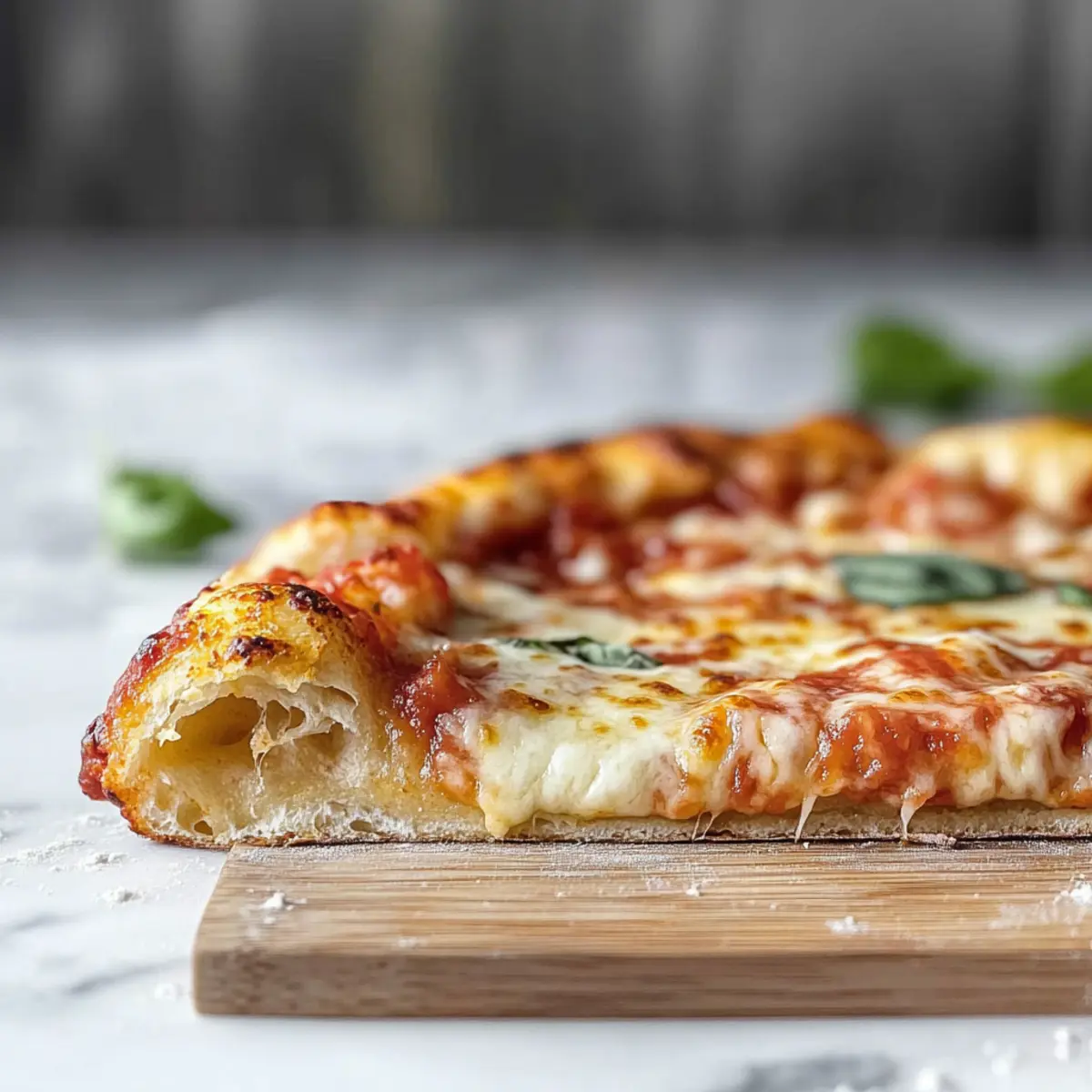
High Hydration: This artisan pizza dough achieves a perfect chewy crust, thanks to its elevated hydration level that captures moisture and flavor.
Effortlessly Delicious: With just a few simple ingredients, you’ll create a crust that rivals your favorite pizzeria.
Versatile Applications: Use this dough for delightful variations, from classic Margherita to festive topping combinations or even mini pizzas! Check out my Cheesy Pepperoni Pizza for inspiration.
Make Ahead: Prepare the dough up to two days in advance, letting the flavors develop, so you can enjoy a stress-free pizza night.
Crowd-Pleasing: Impress friends and family with artisan-style pizzas that are as fun to make as they are to eat! You’ll never want to settle for takeout again!
Artisan Pizza Dough Ingredients
For the Dough
• Flour – 500g or 3 ¾ cups; this flour provides the essential structure and texture for a perfect crust.
• Water – 375g or 1 ½ cups + 2 tbsp; necessary for high hydration, which contributes to the dough’s chewy texture. Remember to reserve 1 tablespoon for mixing with yeast if using active dry yeast.
• Salt – 10g or 1 ½ tsp; this ingredient enhances flavor and helps develop gluten strength. Avoid adding it too early to promote proper fermentation.
• Yeast – ¼ tsp Instant Yeast; a small quantity is key for a long fermentation process, leading to maximum flavor. You can substitute with active dry yeast, but remember to proof it in water first.
Optional Flavor Enhancements
• Herbs (e.g., dried oregano or basil) – Add these to the dough for an aromatic twist that will elevate your artisan pizza experience.
• Garlic Powder – A sprinkle in the dough adds a flavorful punch that complements any topping beautifully.
This artisan pizza dough is a dream come true for anyone who loves homemade pizza!
Step‑by‑Step Instructions for artisan pizza dough
Step 1: Mix Flour and Water
In a large mixing bowl, combine the flour with 374 grams of water, holding back 1 tablespoon for later. Mix vigorously until there are no dry bits left; the dough will be shaggy and wet. Cover the bowl with a cloth and let it hydrate for 20-30 minutes, allowing the flour to absorb the water fully before continuing.
Step 2: Add Yeast and Salt
If using active dry yeast, first mix it with the reserved tablespoon of water until dissolved. Add this yeast mixture along with the salt to the hydrated dough. Mix thoroughly for about 2-3 minutes until smooth. This artisan pizza dough should feel tacky but cohesive, signifying that the yeast and salt are evenly distributed.
Step 3: Bulk Fermentation
Transfer your dough to a lightly oiled container, covering it tightly. Let it rise at room temperature for about 5-6 hours. You can also refrigerate the dough for a longer fermentation, up to 48 hours for enhanced flavor development. During this time, the dough will grow in size and develop a lovely aroma.
Step 4: Shape Dough
After the fermentation period, gently turn the dough out onto a floured surface. Divide the dough into portions according to your desired pizza size—typically two for 12-inch pizzas. Carefully shape each portion into a ball by folding the edges toward the center, allowing them to rest for about 10 minutes before final shaping.
Step 5: Final Rest
Cover the dough balls with a damp cloth or plastic wrap and let them rest at room temperature for about an hour. This final resting period is crucial for allowing the dough to relax, making it easier to stretch into perfect artisan pizza shapes when you’re ready to bake.
Step 6: Preheat Oven
As the dough rests, preheat your oven to a sizzling 500°F (260°C). If you have a pizza stone, place it in the oven to heat up as well. This high temperature and preheated stone will create a beautiful, crispy crust when you bake your artisan pizza.
Step 7: Stretch and Bake
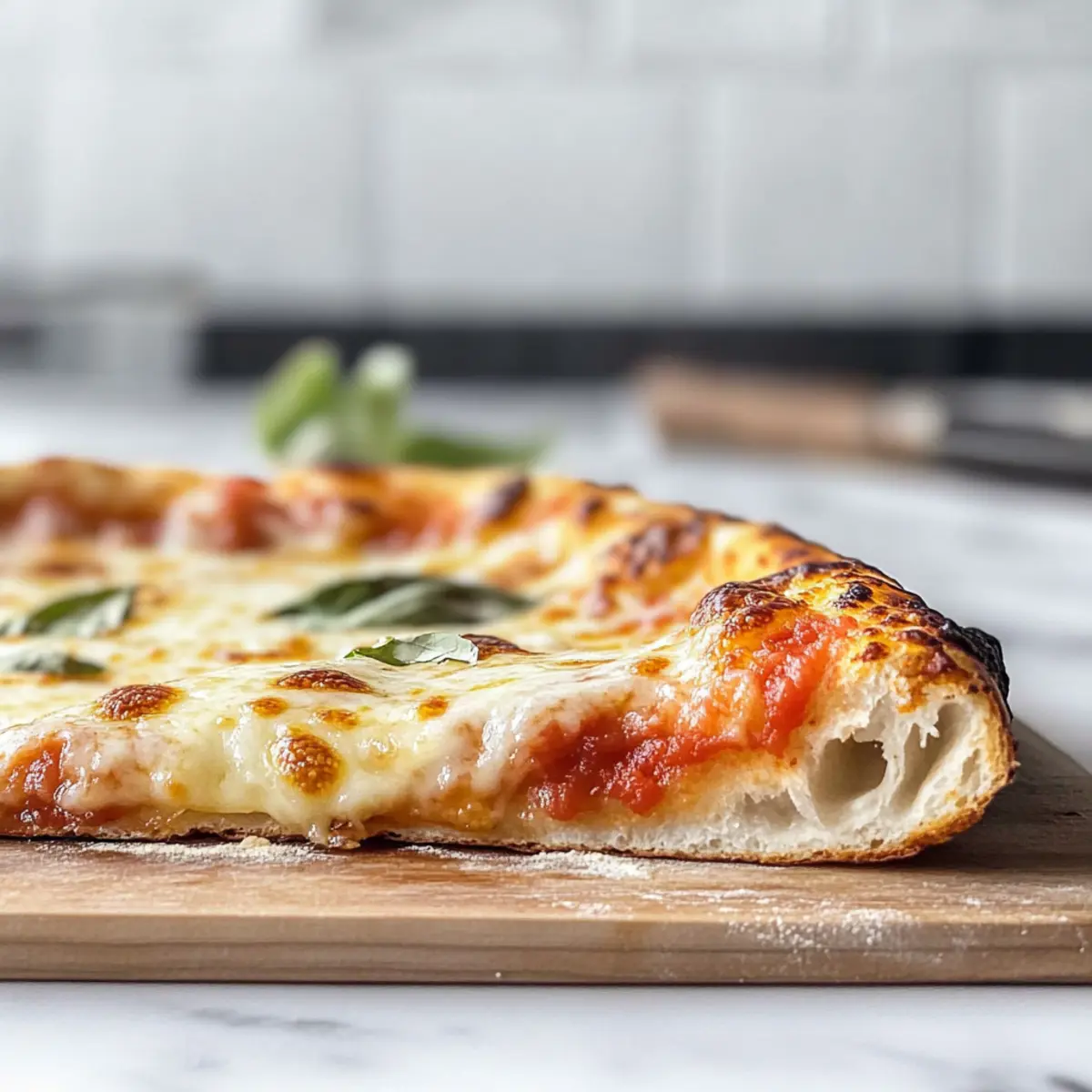
Now the fun begins! Take a dough ball and gently stretch it on a floured surface, forming the desired pizza shape. Add your favorite toppings, then carefully transfer it onto the preheated pizza stone or a baking sheet. Bake for 7-10 minutes until the crust is golden brown and bubbly, showcasing the beautiful characteristics of your homemade artisan pizza dough.
What to Serve with Artisan Pizza Dough
Gather around for a delightful pizza night that elevates every bite with the perfect pairing!
-
Fresh Arugula Salad: Tossed with lemon vinaigrette, this peppery salad adds a refreshing contrast to the rich pizza flavors. The crispness complements the chewy crust wonderfully.
-
Garlic Breadsticks: Crispy on the outside and soft within, these breadsticks dip beautifully into marinara sauce, creating a perfect starter to whet your appetite for pizza.
-
Caprese Skewers: Bright basil, juicy cherry tomatoes, and creamy mozzarella make for vibrant, flavorful bites that pair seamlessly alongside your homemade pizza.
-
Roasted Veggies: Seasoned with herbs and olive oil, roasted seasonal vegetables offer a colorful, nutritious addition that balances the pizza’s indulgence.
-
Homemade Marinara Sauce: A zesty, tangy dipping sauce enhances every slice with rich flavor; spread it beneath your toppings for an extra layer of goodness!
-
Tiramisu: This classic Italian dessert rounds out your meal with a light, coffee-flavored indulgence. Its creamy texture offers a sweet finish after enjoying savory pizza.
-
Craft Beers: A refreshing craft beer complements the flavors of pizza perfectly, enhancing the experience while allowing for a fun tasting adventure.
-
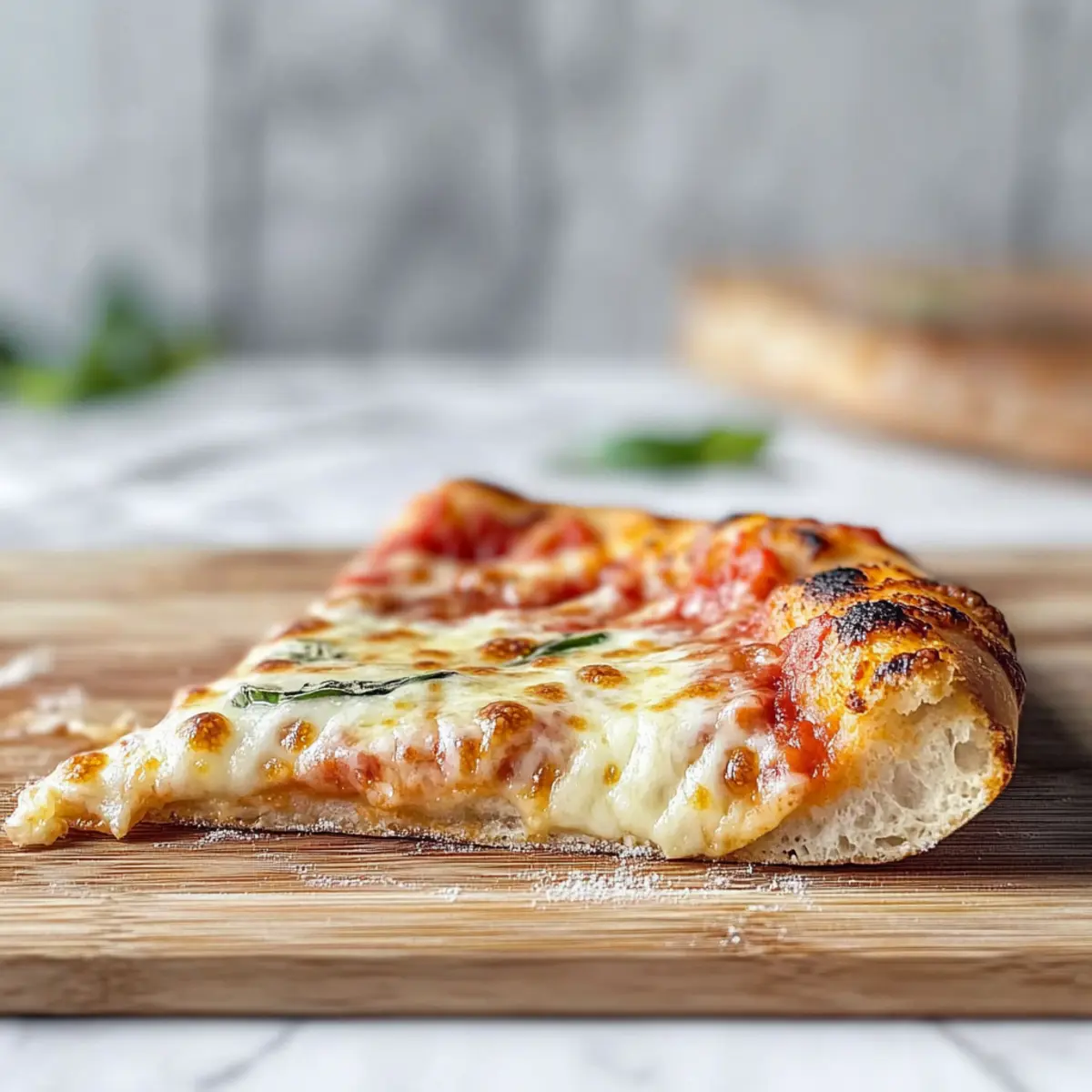
Red Wine: A smooth, medium-bodied red wine harmonizes beautifully with the rich umami flavors of your pizza toppings, making every bite feel gourmet!
How to Store and Freeze Artisan Pizza Dough
Fridge: Keep your artisan pizza dough in an airtight container for up to 2 days. This allows flavors to deepen while keeping the dough fresh and ready for your next pizza night.
Freezer: Shape the dough into balls and wrap each tightly in plastic wrap. Store in a freezer-safe bag for up to 3 months. Defrost in the fridge overnight before using for best results.
Reheating: If you’ve prepped dough in advance, let it come to room temperature before stretching, which usually takes about 30 minutes. This will make it easier to shape for your delicious pizza creations!
Expert Tips for Artisan Pizza Dough
-
Measure Ingredients Accurately: Use a digital scale for exact measurements. Precision ensures the right hydration level for your artisan pizza dough.
-
Stay Hands-On: The dough will feel sticky and wet. Wet your hands instead of adding excess flour for smooth handling, preserving that desired texture.
-
Fermentation Time Matters: For deeper flavor, consider refrigerating the dough for 24-48 hours. Longer fermentation develops complexity and enhances the crust.
-
Preheat Properly: Ensure your oven and pizza stone are thoroughly preheated to 500°F (260°C). This step is vital for a crispy artisan pizza base.
-
Experiment with Flour: Try different types like 00 flour for added taste or whole wheat for a heartier option. Each flour brings unique characteristics to your artisan pizza dough.
-
Adapt for All Methods: Use this versatile artisan pizza dough for baking in an oven, grilling on a barbecue, or even cooking in a cast iron skillet—just adjust cooking times accordingly!
Artisan Pizza Dough: Customization Options
Feel free to let your creativity shine by making these delightful variations that cater to your taste and dietary needs!
-
Flour Swap: Try using high-quality 00 flour for an authentic Italian taste, or whole wheat for a hearty twist. Each flour brings its own character, enhancing the flavor of your artisan pizza.
-
Herb Infusion: Mix in dried herbs like oregano or basil for a fragrant twist. It’ll bring your dough to life and add layers of flavor, perfectly complementing your favorite toppings.
-
Garlic Zest: Incorporate garlic powder into the dough for an extra aromatic punch that pairs beautifully with savory toppings. Your pizza will tantalize the senses even before the first bite!
-
Cheesy Surprise: For a fun twist, add grated Parmesan or cheddar directly into the dough. This would create a rich, savory flavor and a cheesy crust that will have everyone coming back for seconds.
-
Spicy Kick: Add crushed red pepper flakes to the dough for those who love a little heat. This simple addition will elevate your artisan pizzas, making them a flavor explosion!
-
Thicker Crust: If you prefer a thicker crust, increase the hydration level slightly. This small adjustment creates a more substantial and satisfying base that still remains chewy!
Consider adapting your pizza creations with suggestions like this Roll Taco Pizza for a playful variety on pizza night.
- Grilled Option: Switch things up by grilling your dough instead of baking it. It results in a smoky flavor that adds another dimension to your artisan pizza!
Embrace the joy of homemade pizza by customizing this artisan dough to suit your unique tastes and dietary preferences!
Make Ahead Options
These artisan pizza dough preparations are perfect for busy cooks looking to save time! You can mix and ferment the dough up to 48 hours in advance by refrigerating it; simply cover it tightly to maintain moisture and prevent drying out. If you plan to use it later, shape the dough into balls and freeze them for up to 3 months. Just thaw in the refrigerator overnight before you intend to use it. When ready to bake, allow the dough to rest at room temperature for about an hour to relax, then stretch, add your favorite toppings, and bake for delightful, restaurant-quality results without the last-minute rush!
Artisan Pizza Dough Recipe FAQs
How do you select the best flour for artisan pizza dough?
Absolutely! For the best artisan pizza dough, consider using high-quality 00 flour, which gives an exceptional texture and flavor. If you can’t find it, all-purpose flour works well too. Look for unbleached, as it’s closer to what traditional pizzerias use. If you want a heartier crust, you might also try bread flour, which has a higher protein content that helps develop gluten.
How should I store artisan pizza dough?
Definitely! Once you’ve prepared your artisan pizza dough, you can store it in an airtight container in the refrigerator for up to 2 days. This allows the flavors to deepen and develop further. If you’re planning to use it beyond this time, wrap it tightly in plastic wrap and place it in a freezer-safe bag, where it will keep well for up to 3 months.
Can I freeze the artisan pizza dough?
Yes, you can! Once your dough is shaped into balls, wrap each one tightly in plastic wrap and place them in a freezer-safe container. When you’re ready to use them, defrost the dough in the fridge overnight. To get the best stretching results, allow the thawed dough to come to room temperature for about 30 minutes before you shape it.
What should I do if my dough is too sticky?
Very common! If your artisan pizza dough turns out too sticky, it may be due to extra moisture or humidity in your environment. Instead of adding more flour, which can dry out the dough, I recommend wetting your hands while handling it. This way, you can manage the dough without changing its consistency. Also, consider allowing it to rest longer during the fermentation process, as this can help it achieve a better texture.
Can I make artisan pizza dough for my pet?
While sharing food with our furry friends is sweet, it’s best to keep this artisan pizza dough away from pets. The high salt and yeast content can be harmful to them. If you want to indulge your pet, consider making a special no-yeast treat for them, focusing on dog-friendly ingredients like pumpkin or peanut butter!
Is there a way to adjust the hydration level of the dough?
Absolutely! If you feel adventurous, you can tweak the hydration levels in your artisan pizza dough by adding or reducing the amount of water. Lower hydration creates a thicker crust, while higher hydration results in a chewier texture. For a more delicate flavor, you might consider experimenting with different types of flour too; just be mindful that each flour type may absorb water differently!
Craft Perfect Artisan Pizza Dough for Chewy, Crispy Crust
Ingredients
Equipment
Method
- In a large mixing bowl, combine the flour with 374 grams of water, holding back 1 tablespoon for later. Mix vigorously until there are no dry bits left; the dough will be shaggy and wet. Cover the bowl with a cloth and let it hydrate for 20-30 minutes.
- If using active dry yeast, first mix it with the reserved tablespoon of water until dissolved. Add this yeast mixture along with the salt to the hydrated dough. Mix thoroughly for about 2-3 minutes until smooth.
- Transfer your dough to a lightly oiled container, covering it tightly. Let it rise at room temperature for about 5-6 hours.
- After the fermentation period, gently turn the dough out onto a floured surface. Divide the dough into portions according to your desired pizza size—typically two for 12-inch pizzas.
- Cover the dough balls with a damp cloth or plastic wrap and let them rest at room temperature for about an hour.
- As the dough rests, preheat your oven to a sizzling 500°F (260°C). If you have a pizza stone, place it in the oven to heat up as well.
- Take a dough ball and gently stretch it on a floured surface, forming the desired pizza shape. Bake for 7-10 minutes until the crust is golden brown.
Leave a Reply